The Oregon Way
Oregon might look laid-back on the surface, but don’t let that fool you. This place runs on forward motion.
Look closer, you’ll start to see the mix that defines us: unpretentious people doing serious work, open minds with sharp focus, a university with big reach that still feels personal.
The landscape is wild, and our research is precise. With so many opposites in play, it seems like none of this should work. Turns out, that’s exactly why it does. And this is Oregon.
The Way We Think
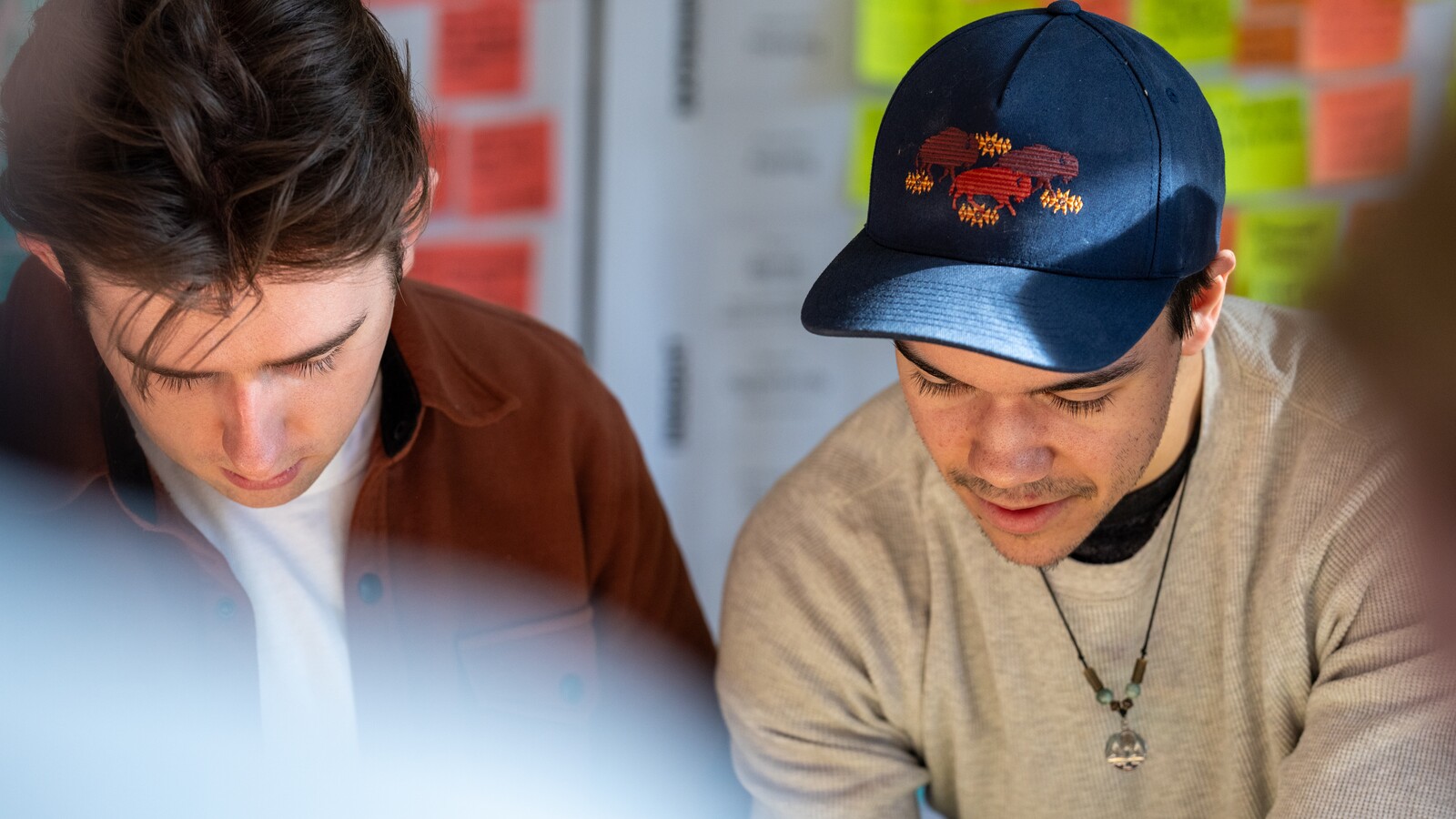
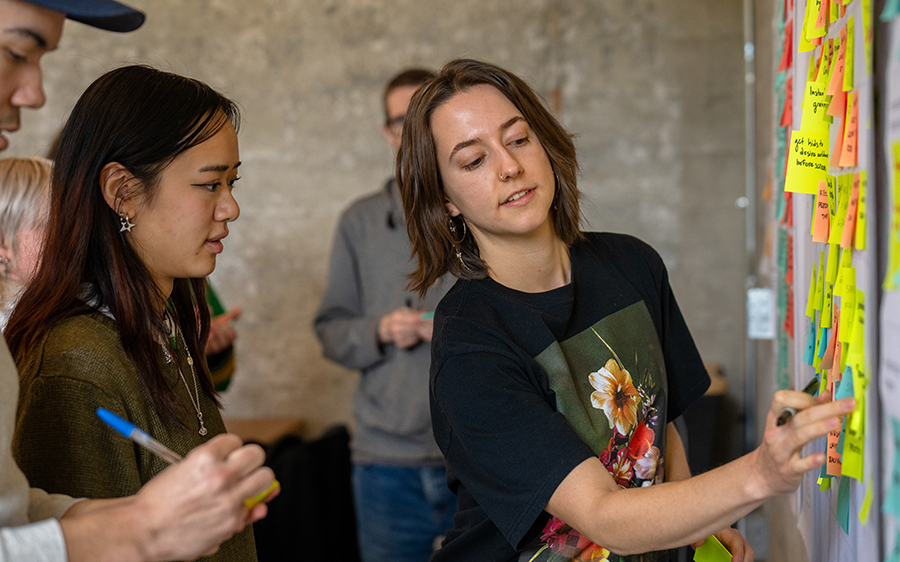
If you want to know whether an idea works here, someone will likely tell you to build it. Knight Campus labs, design studios, and field teams all move fast from concept to test. The first version doesn’t need to be perfect, and that’s the whole point. Progress happens when you take action, make a change, and then try again.

When Rubber Meets the Waffle Iron
Bill Bowerman pours rubber into his wife’s waffle iron to make a new running-sole pattern. There was no committee meeting or a detailed plan. Just a wild guess, a kitchen appliance, and a belief that trying something beats talking about it.
The Way We Work
Low Ego. High Output.
Work here feels communal. People pitch in, don’t posture, and get to the point. Students take on active roles earlier than other places—in schools, labs, and in the field. Titles matter less than showing up when someone needs hands to do the work.
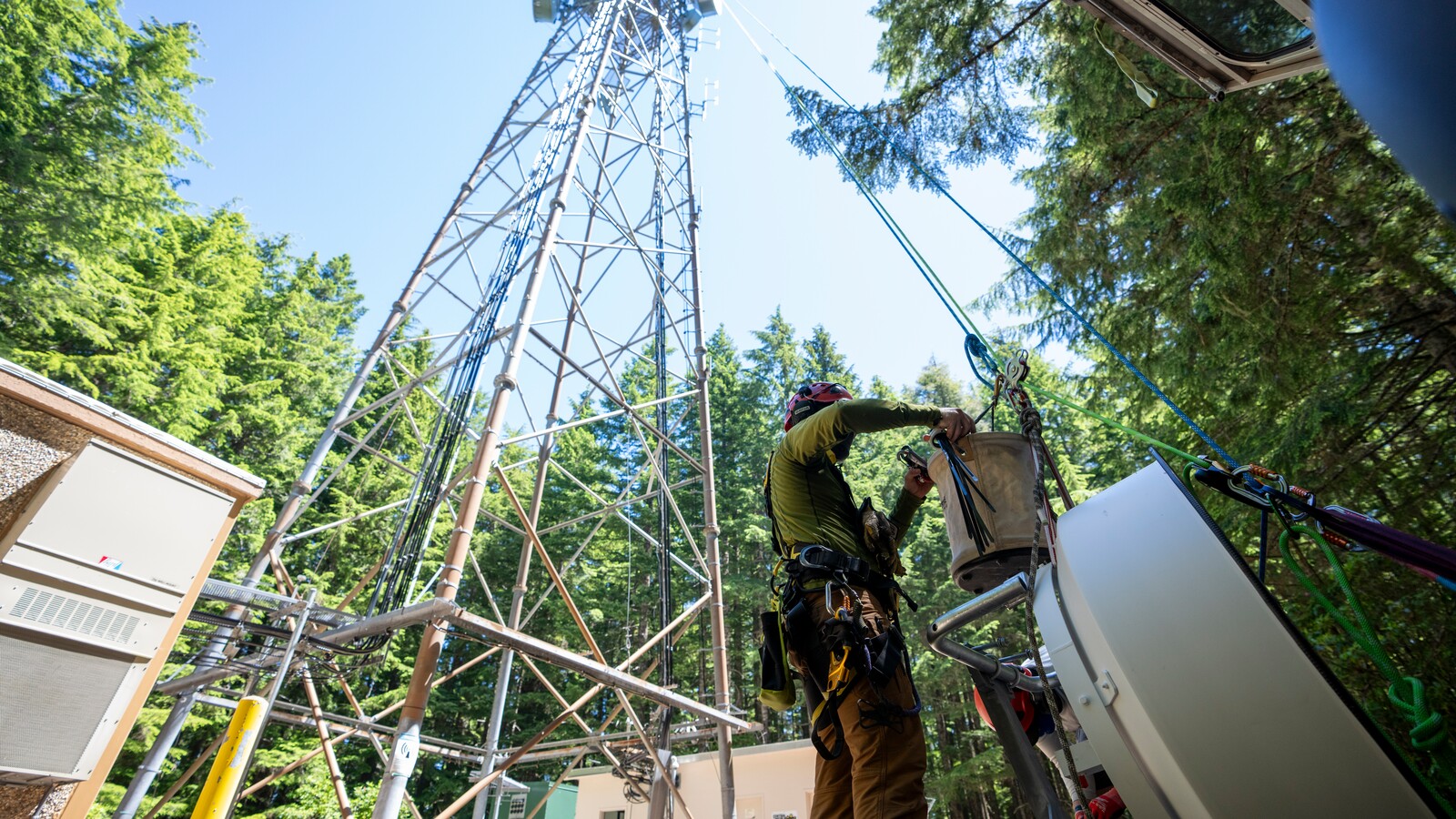
Oregon Hazards Lab
Students in the Oregon Hazards Lab pile into trucks and head into the Cascades to maintain earthquake sensors. They hike gear up ridgelines, troubleshoot equipment, and keep the ShakeAlert system running for the entire West Coast.
The Way We Connect
Big Campus, Small Circles
We’re a flagship university that operates on a human scale. People form tight crews in labs, studios, and teams. You know each other’s work and will often get pulled into more of it. The closeness sharpens the work, not the opposite.
Hayward Field for Everyone
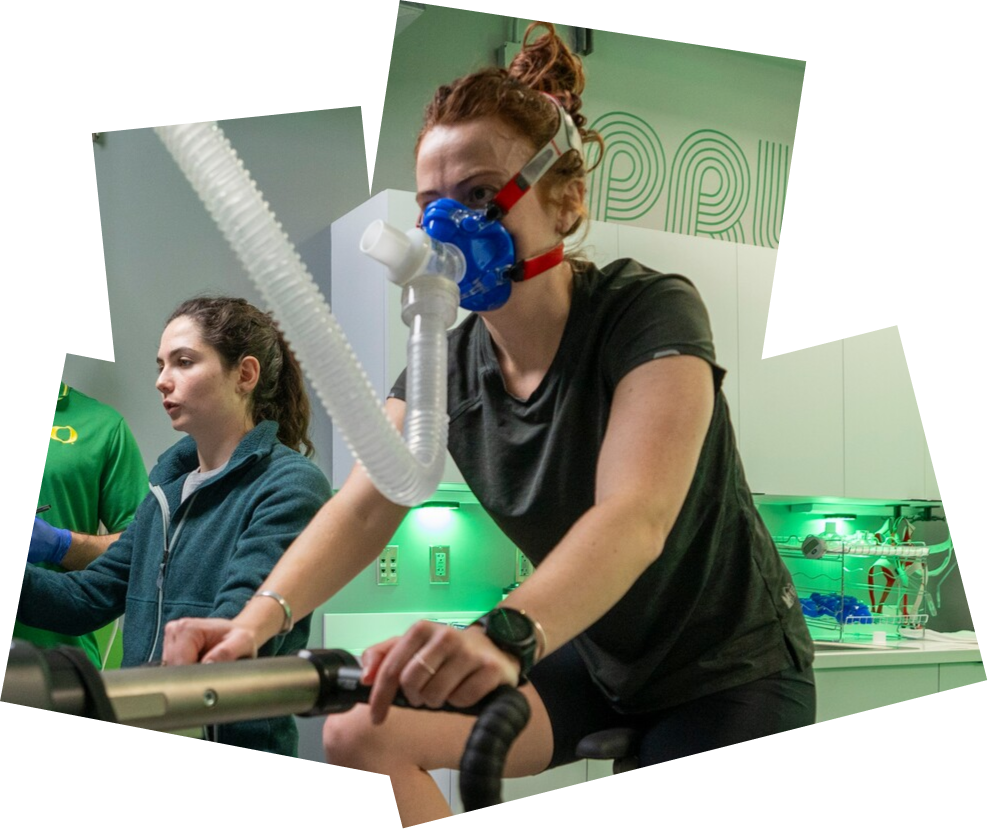
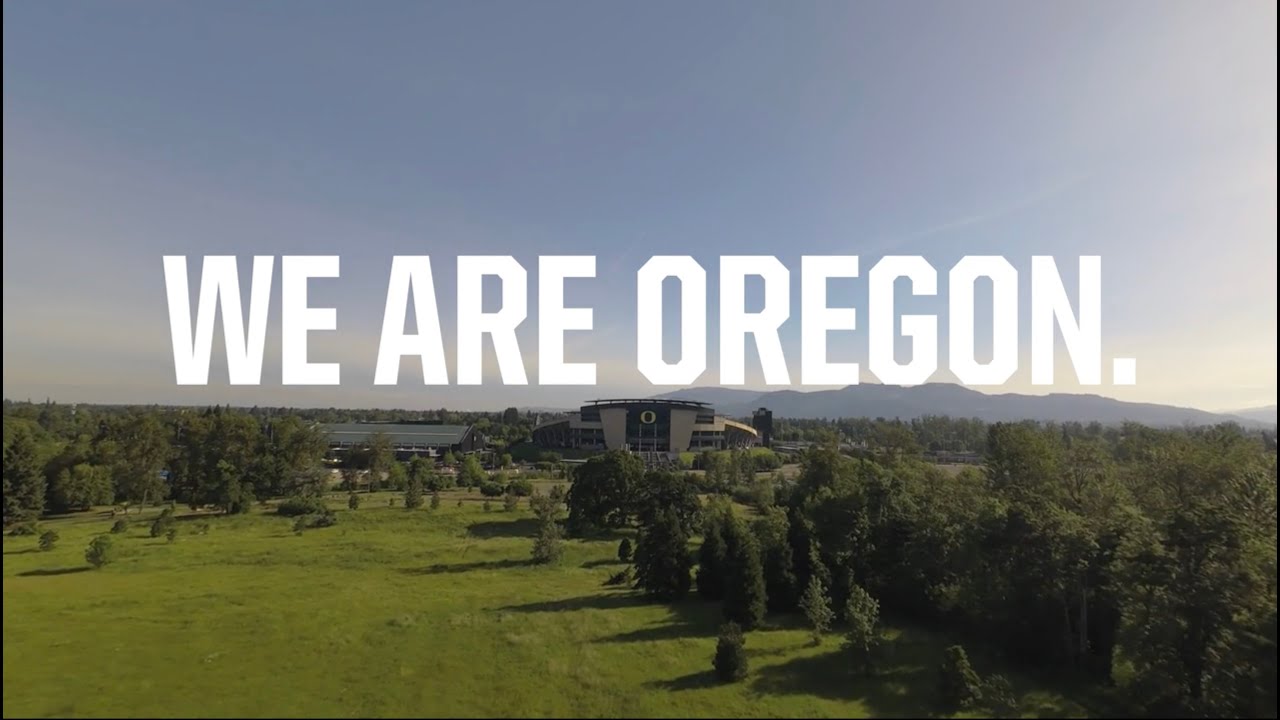
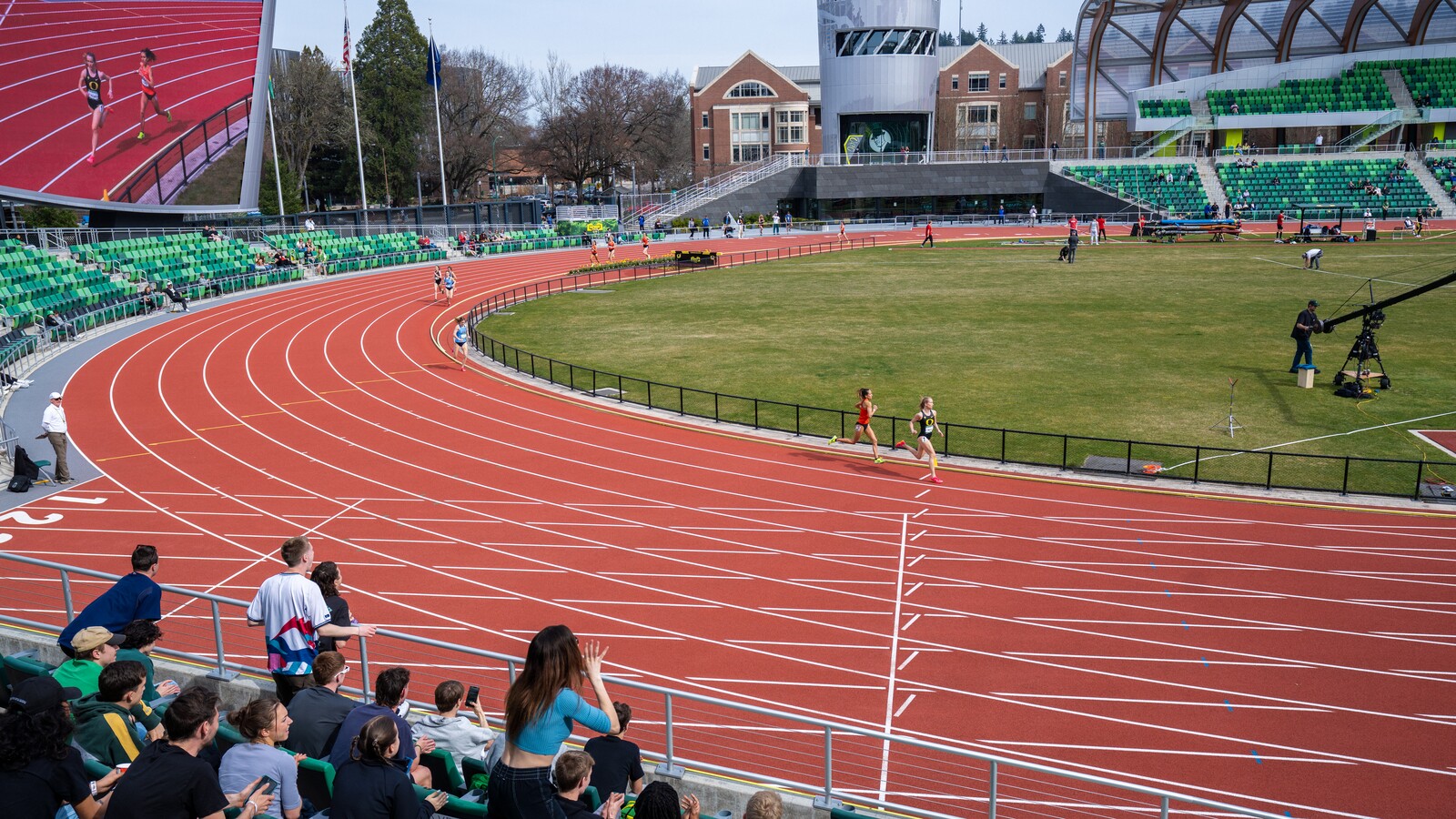
Hayward Field is a world-class track and field stadium that sits directly on campus. You can sit a few rows from an Olympic champion warming up for a race. Steps from the track, you’ll find researchers working with elite athletes to study human performance. From the stands, you can see greatness happen; in the labs, you can find out why.
The Way We Show up in the World
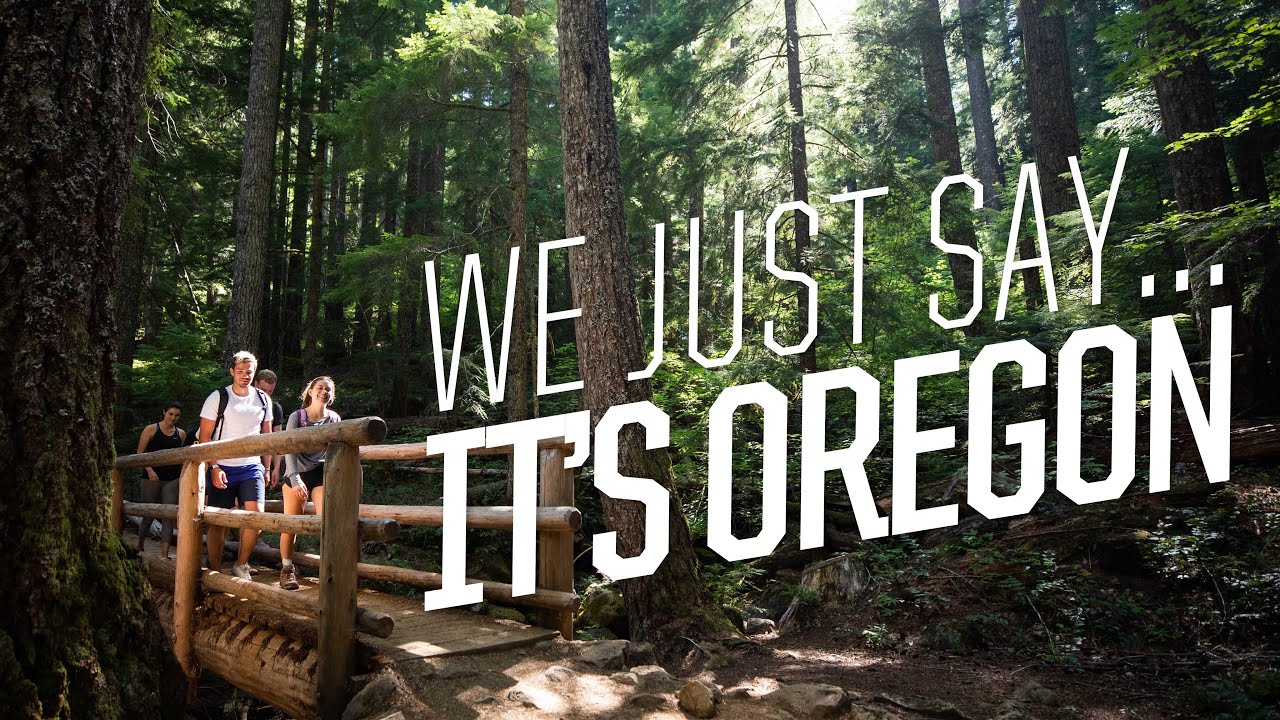
The Pacific Northwest is more than a setting—it’s a mindset. Creative, curious, a little rugged. Oregon is a living lab for outdoor discovery, sustainability, and personal transformation.
Students work in forests, along rivers, on the coast, and in communities where their ideas have real stakes. The environment sharpens the work, but it also changes the way people see themselves.
Rooted Here. Relevant Everywhere.
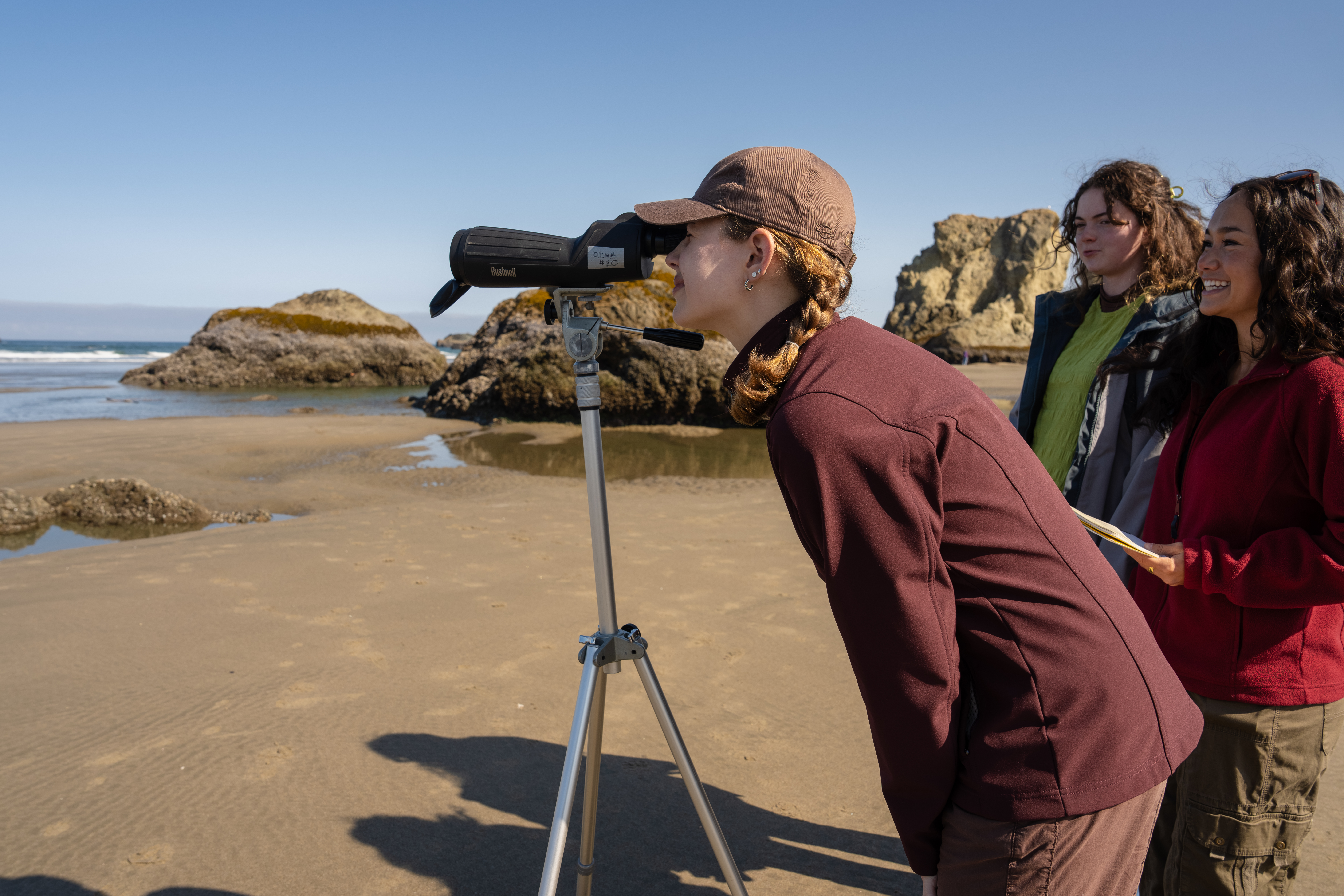
Oregon Institute of Marine Biology
At the Oregon Institute of Marine Biology, small cohorts live on the coast for a term. Students spend dawn in tide pools collecting species data, then end the day cooking dinner together in shared housing. Their research shapes state coastal policy, but the real shift comes from living within the landscape they study.