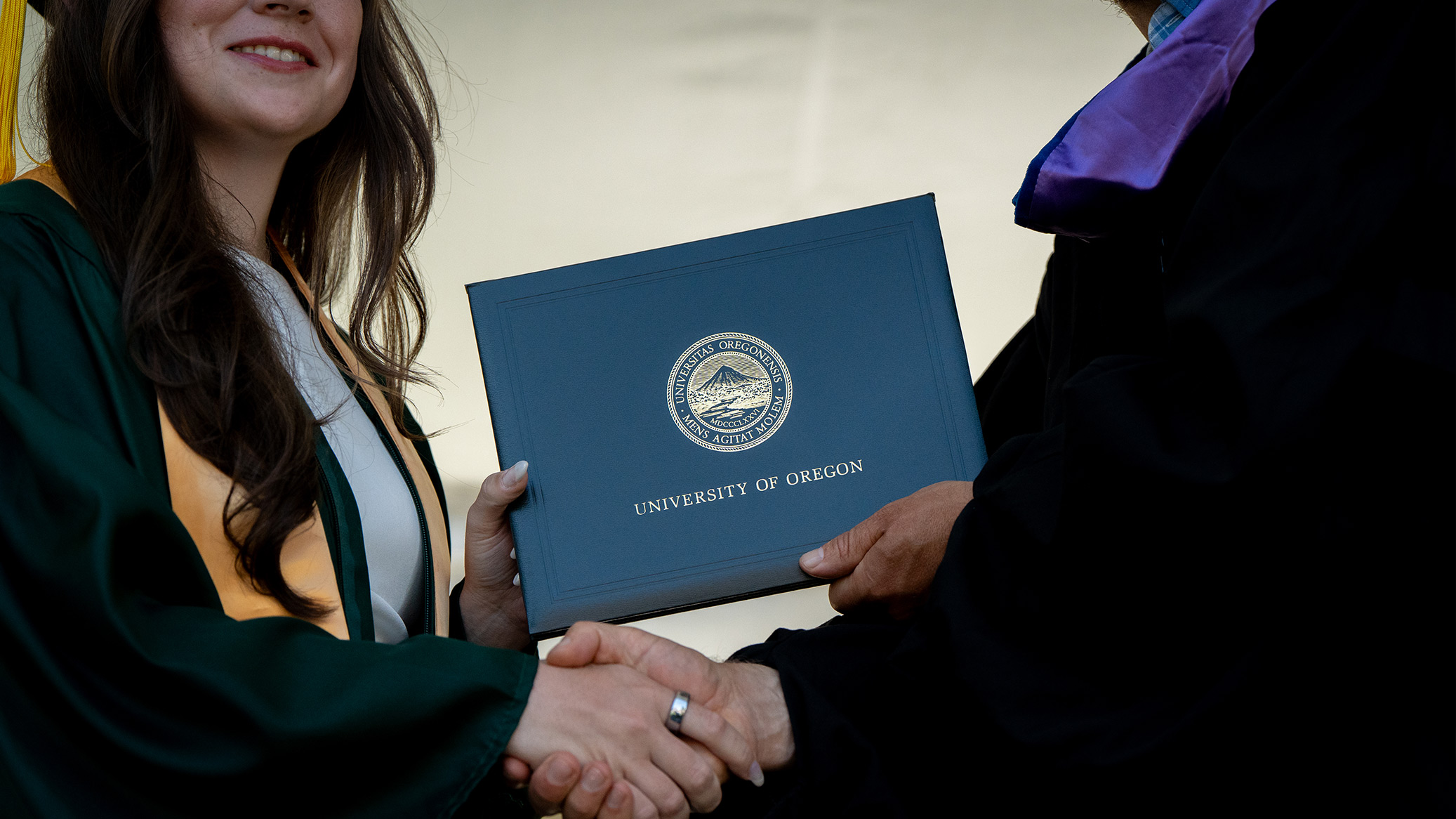
Concurrent Degrees
Combine expertise across complementary fields—such as law and business, or physics and education—while earning credentials in both programs.
More than 300 programs across nine schools and colleges. Find your path — from undergraduate degrees to advanced research.
Academics OverviewYour journey to the UO starts here. Submit an application, explore financial aid and scholarships, or schedule a campus visit.
Admissions OverviewLife at the UO is more than classes. It's community, culture, and the kind of experiences that shape who you become.
Student Life OverviewGraduate programs at the University of Oregon combine specialized expertise with interdisciplinary opportunities, so you can explore new ideas and paths that matter.
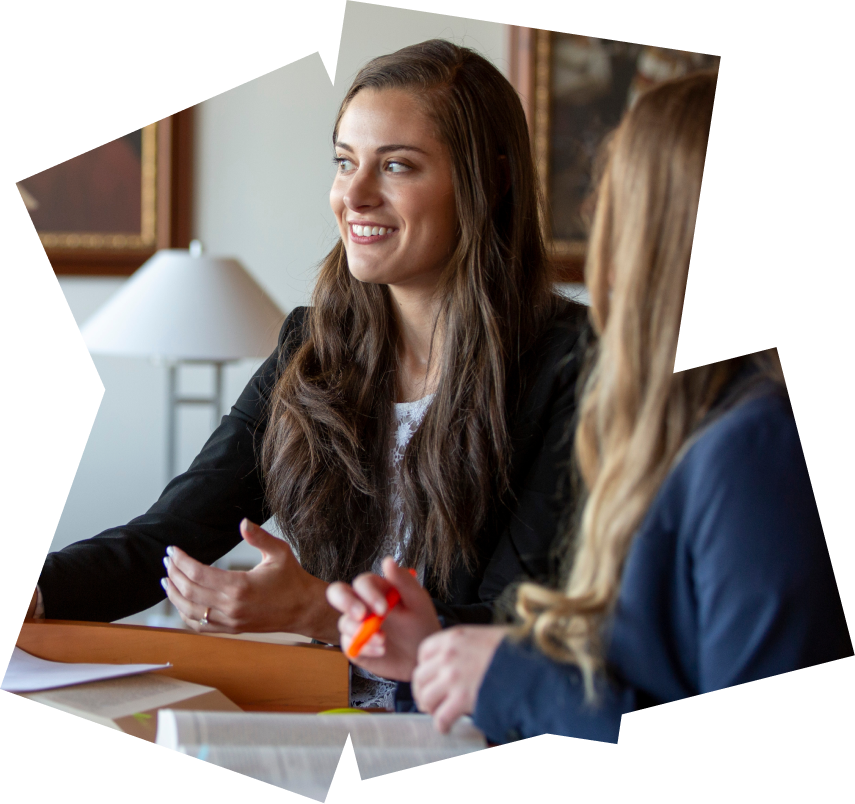
With some 3,500 graduate students working across 75-plus subject areas, Oregon is big enough for diverse perspectives and small enough to have meaningful conversations.
Master’s Programs
Small, collaborative master’s-level cohorts foster personal mentorship, close collaboration, and real-world experience and impact.
Doctoral Programs
As a leading research university, the UO offers exceptional interdisciplinary training, engaged mentors, and life-long opportunities to lead us to a better future.
Graduate Certificates
Once you’re enrolled in a degree program, you can add a highly focused certificate designed to rapidly enhance your skills and boost your career.
Specializations
Bridge your interests, tap faculty expertise, and gain advanced knowledge with tailored coursework.
Combine expertise across complementary fields—such as law and business, or physics and education—while earning credentials in both programs.
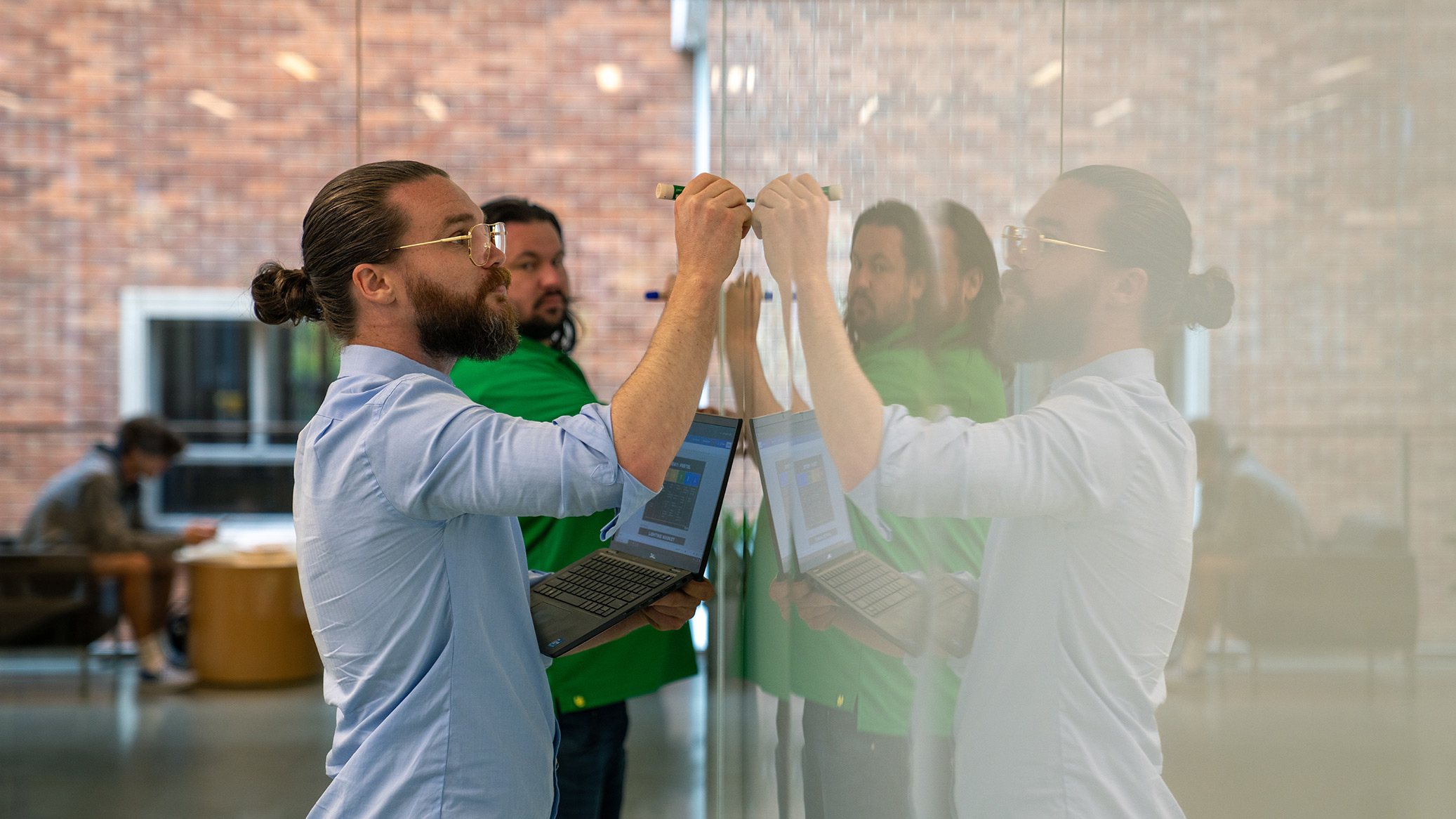
A graduate specialization lets you tailor your degree with focused complementary coursework, so you build expertise aligned with your academic and career goals.

Add a certificate to your graduate degree. These short-term programs boost professional credentials, support career pivots, and deepen expertise.
AI, blockchain, and other emerging tech are transforming society. How can we shape the human impact? Faculty and students are answering the big questions in the Intelligent Futures Lab.
Oregon invests in graduate students through employment opportunities, research assistance, and close faculty advising.
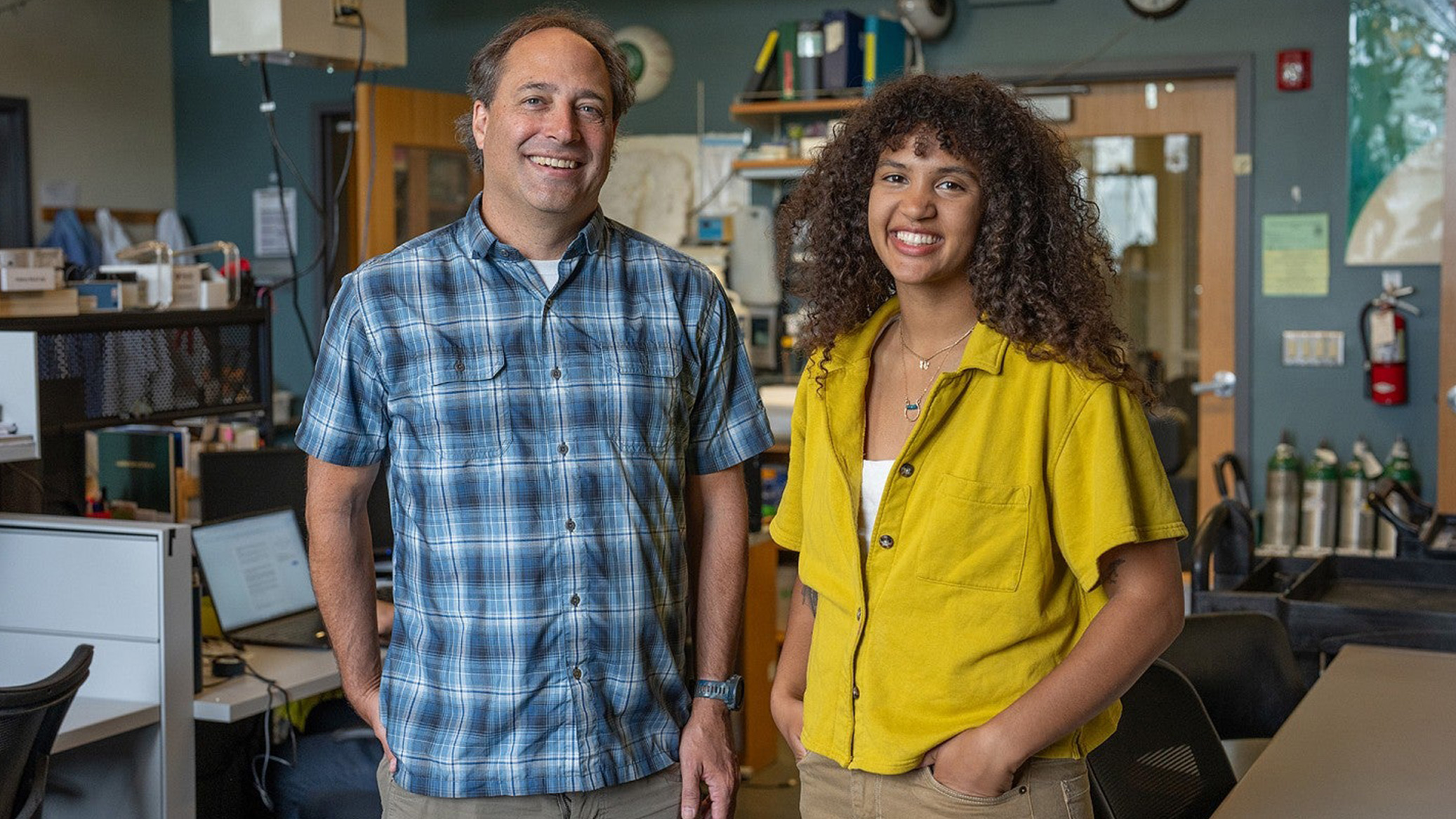
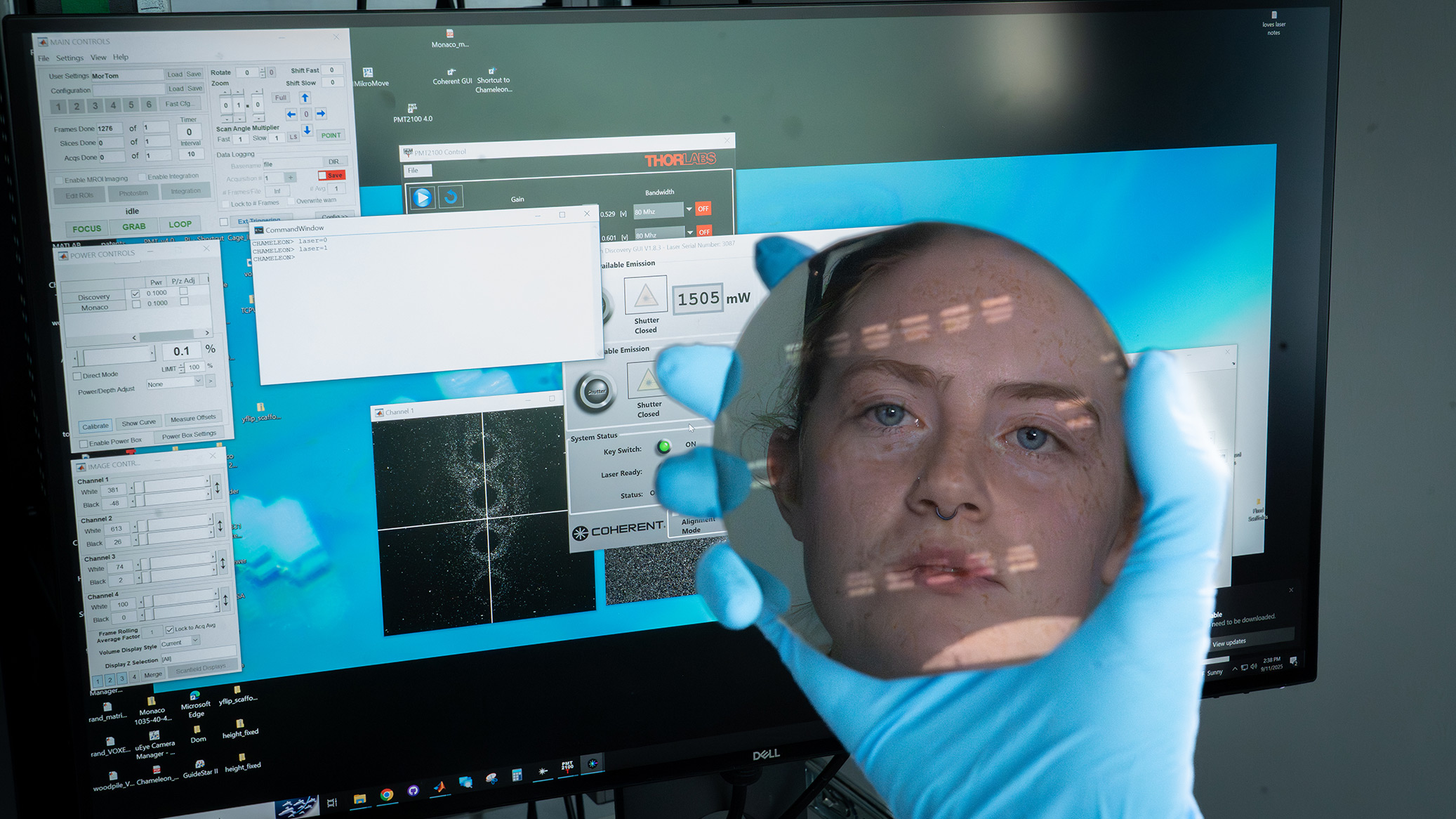
How does the octopus brain work? Neuroscience graduate student Angelique Allen came to Cris Neill’s lab to find out. Their research partnership has won this pair several prestigious faculty and graduate student awards to continue their groundbreaking work.
By the Numbers
With an undergraduate degree in business and almost six years at a workforce analytics firm, Alec Freudenstein was ready to pivot. His interest in AI led him to Oregon’s Immersive Media Communication master’s. Alec’s innovative capstone project, an AI-powered financial advisor with emotional intelligence, opened the door to his dream role at a top research and development lab for multimodal emotional intelligence.
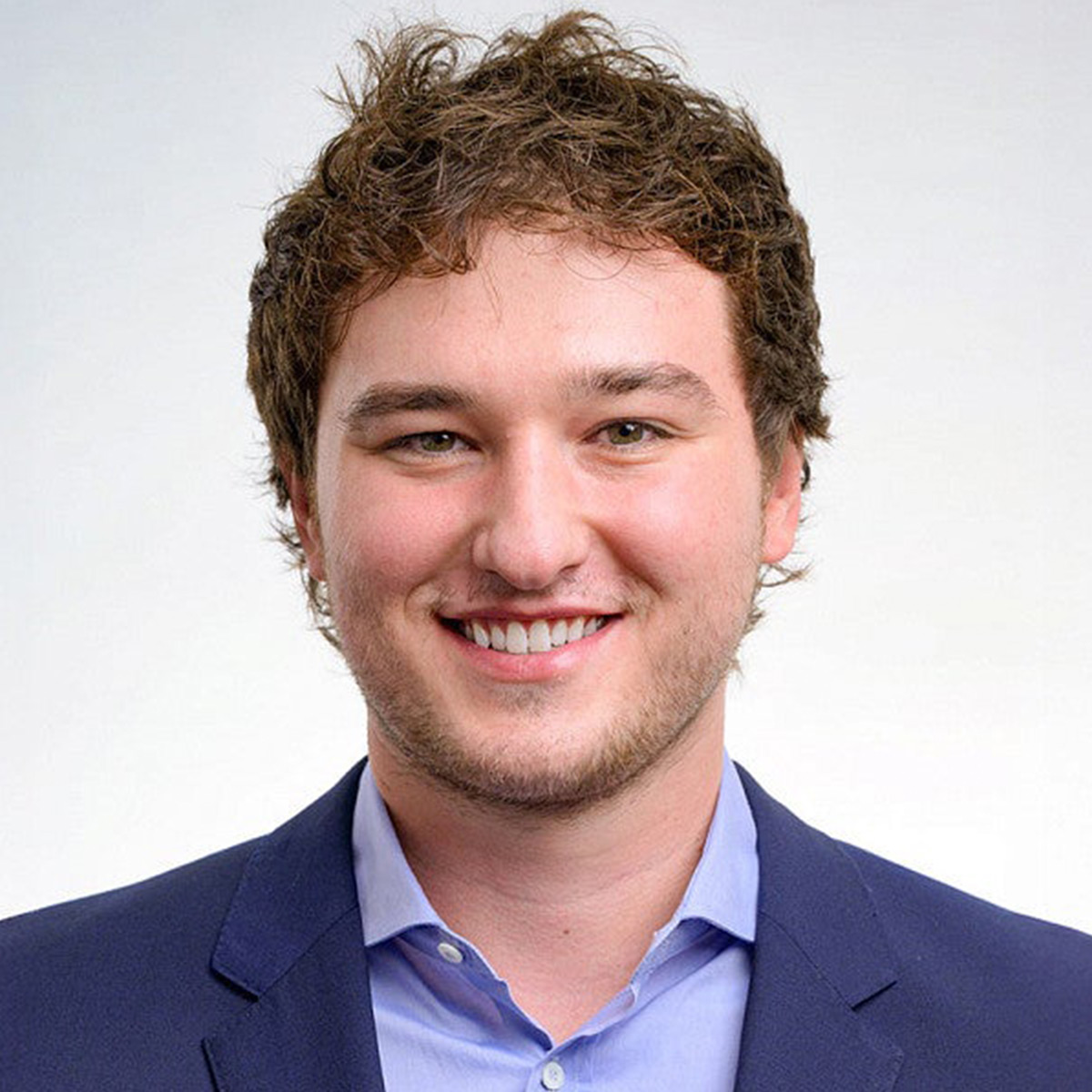
The thing I’m most proud of is trusting my gut, using what I had and betting on myself—whether that was putting myself through grad school or trusting that immersive tech would change the world.
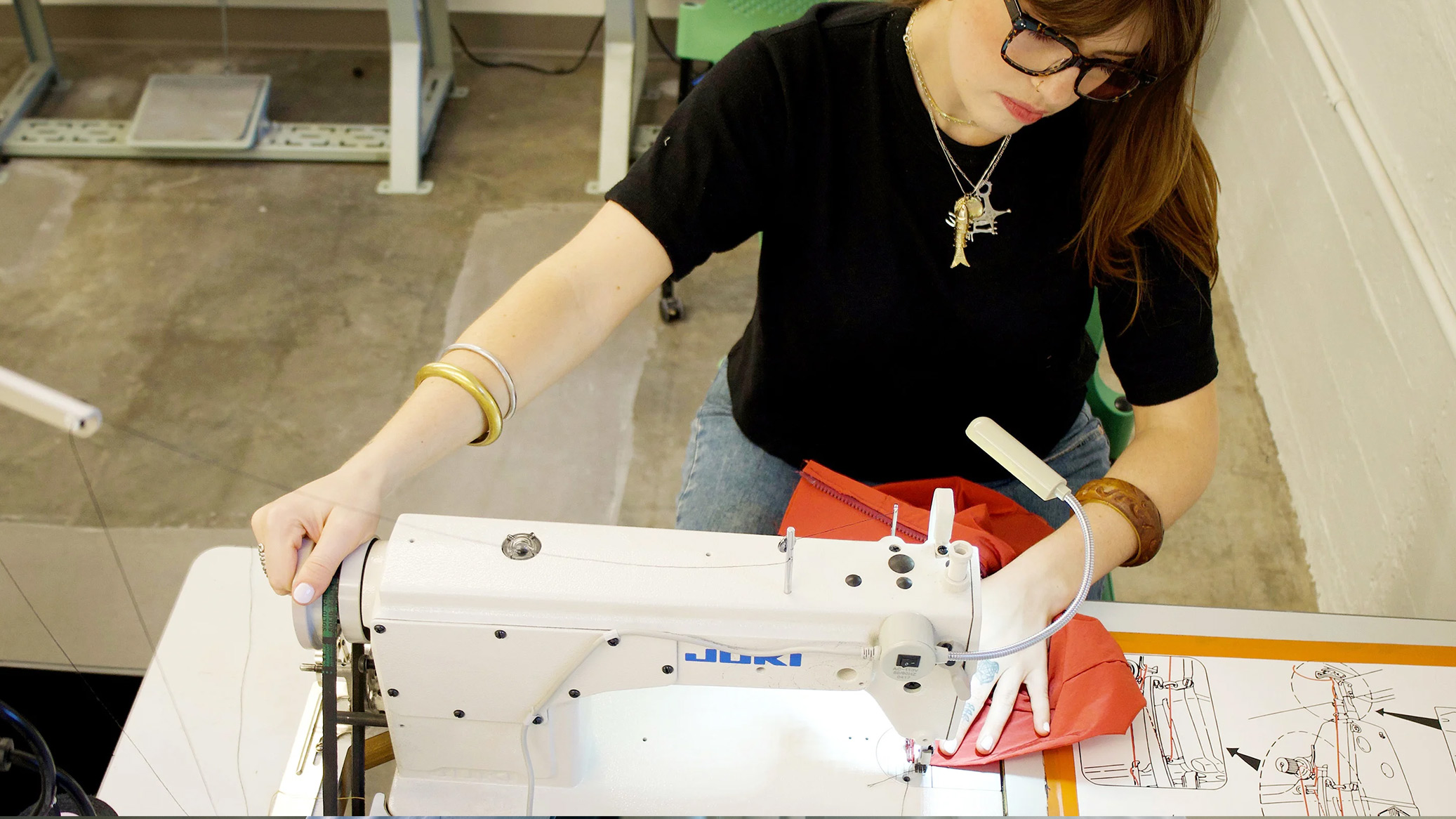
Wooly Ideas
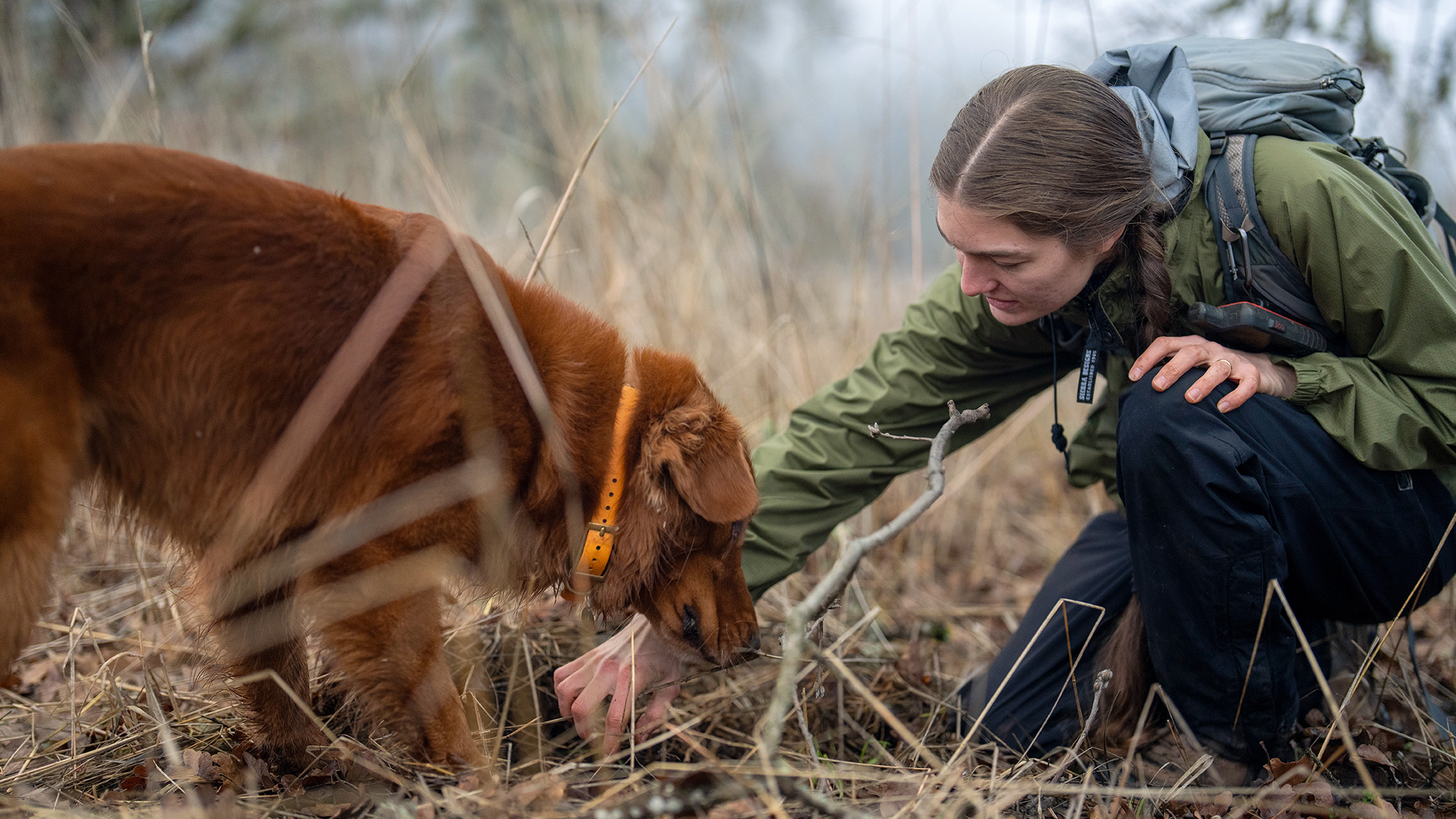
Truffle Biodiversity
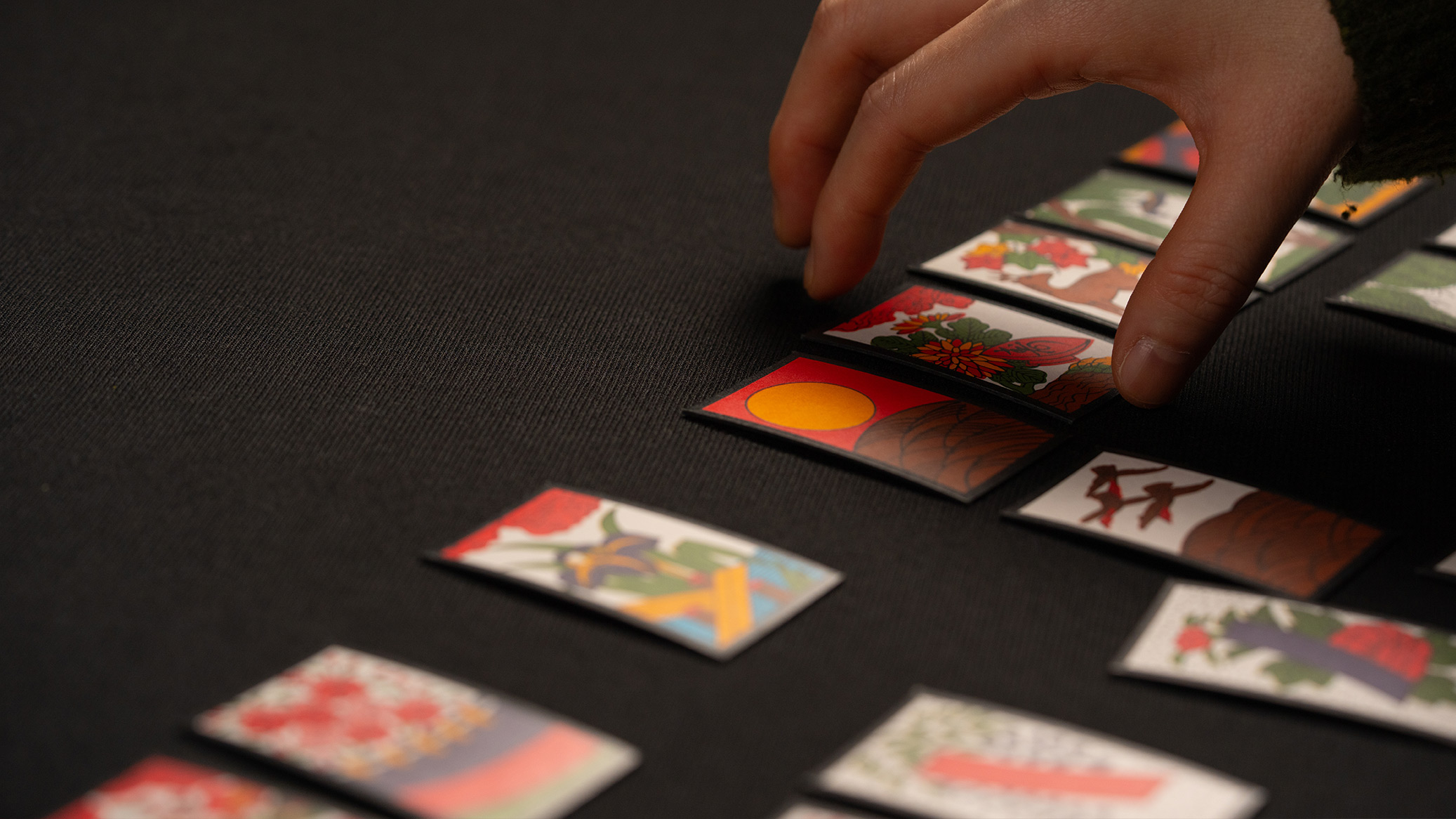
A History in Cards
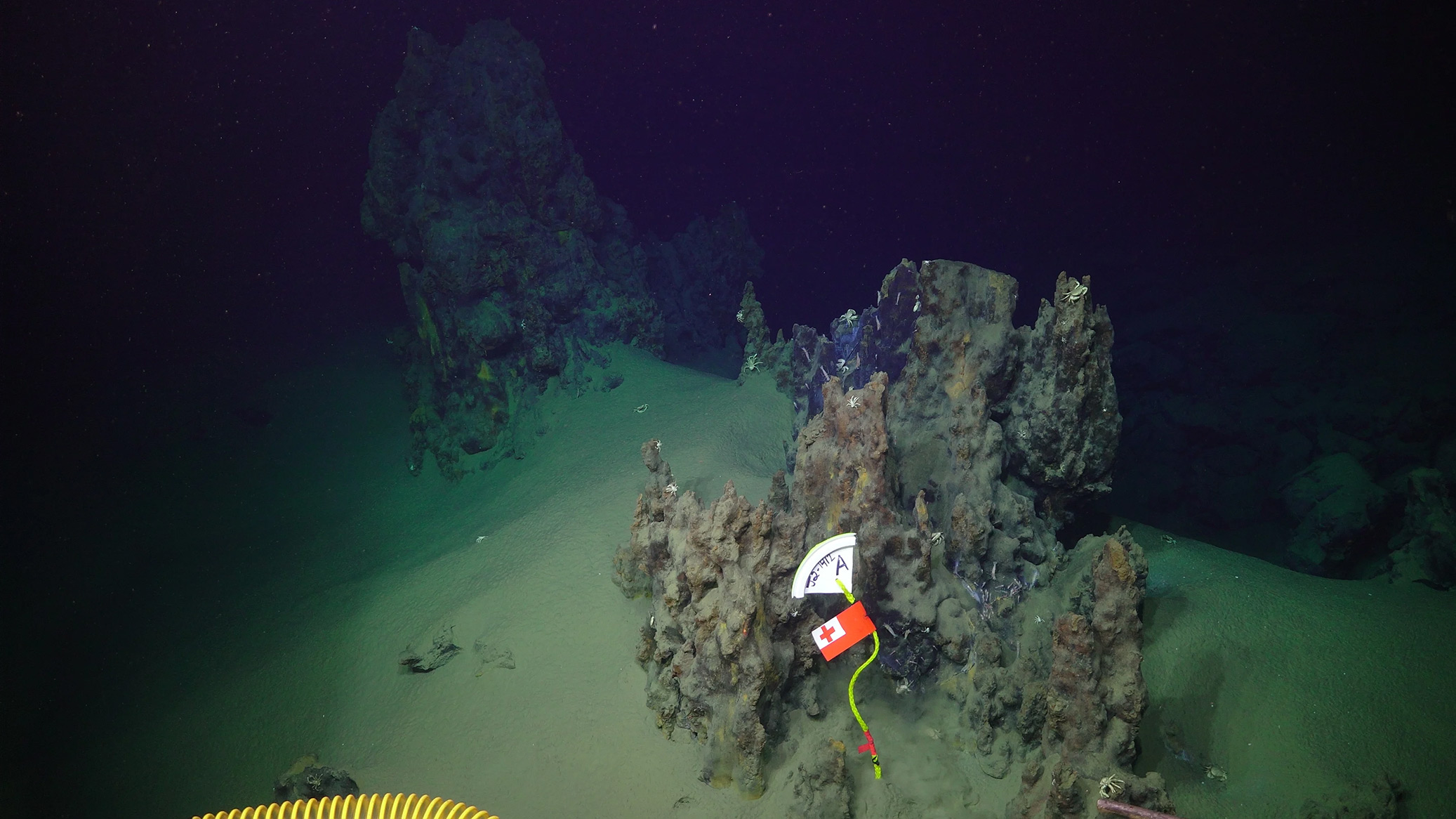
A Deeper Dive
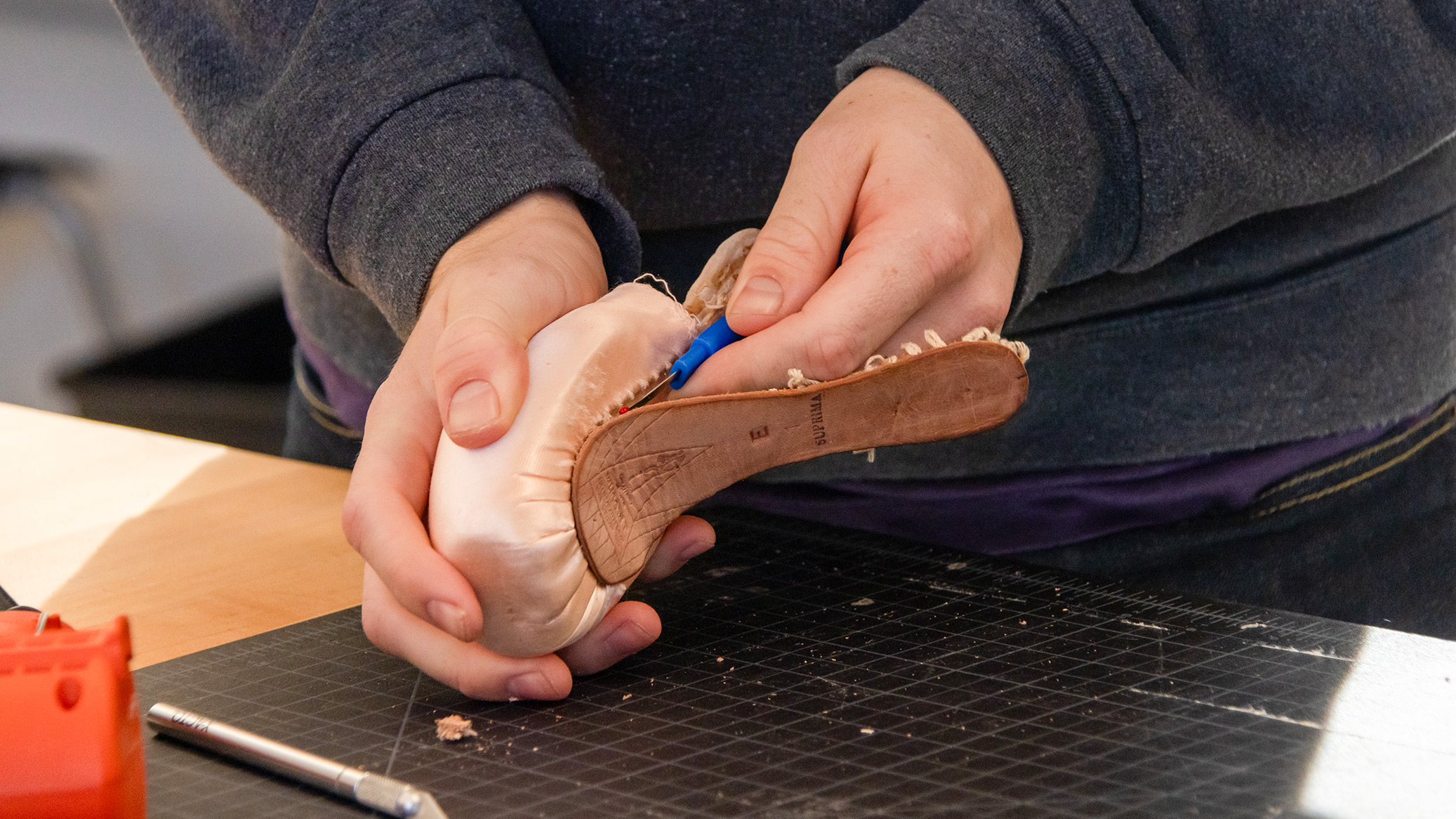
On Pointe
When Kitmin Chen joined the Graduate Internship Program at Oregon’s Knight Campus, he had seven years’ experience as an analytical chemist—but he couldn't move up the ladder. Chen was looking for a fast return to work with a salary boost. He found much more at UO. Today, he is deeply engaged in his work as a researcher at the Los Alamos National Laboratory.
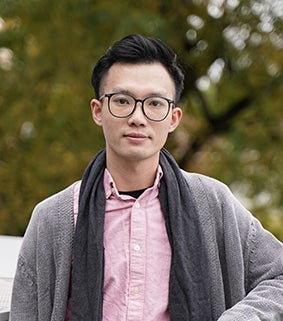
When I was working in industry, I felt that my achievements were merely contributions to the company’s financial gain. Through this program and the internship at the Los Alamos National Laboratory, I found my passion in research and came to understand what it takes to become a scientist.
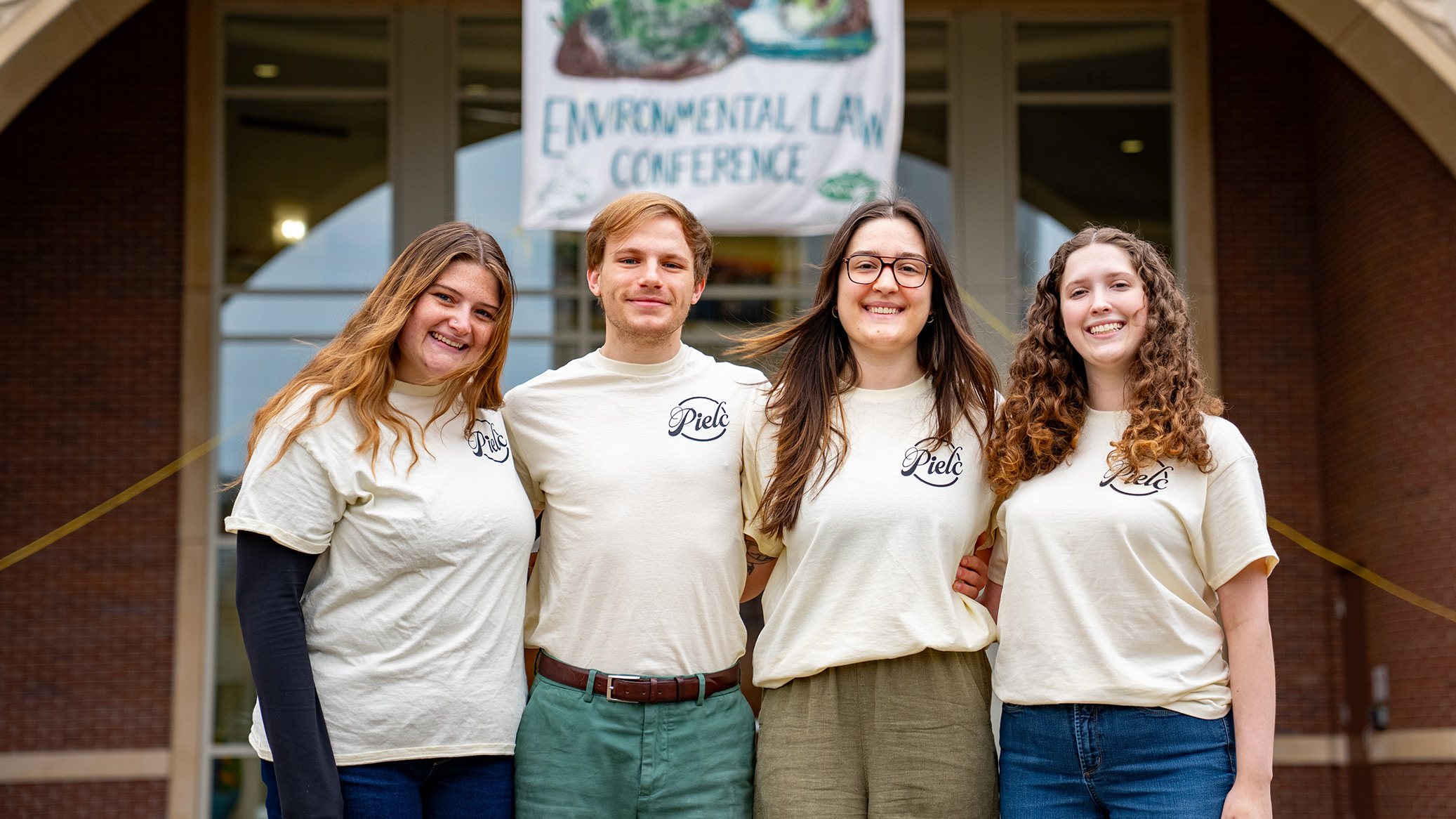
Practical experience with real clients is integrated in many UO graduate programs. Just two examples: Oregon’s Environmental Law Externships place students in government offices, tribal nations, and nonprofits to tackle legal challenges; and MBA students advise entrepreneurs.
Collaborate with and learn from faculty who are pursuing innovative and community-centered work.
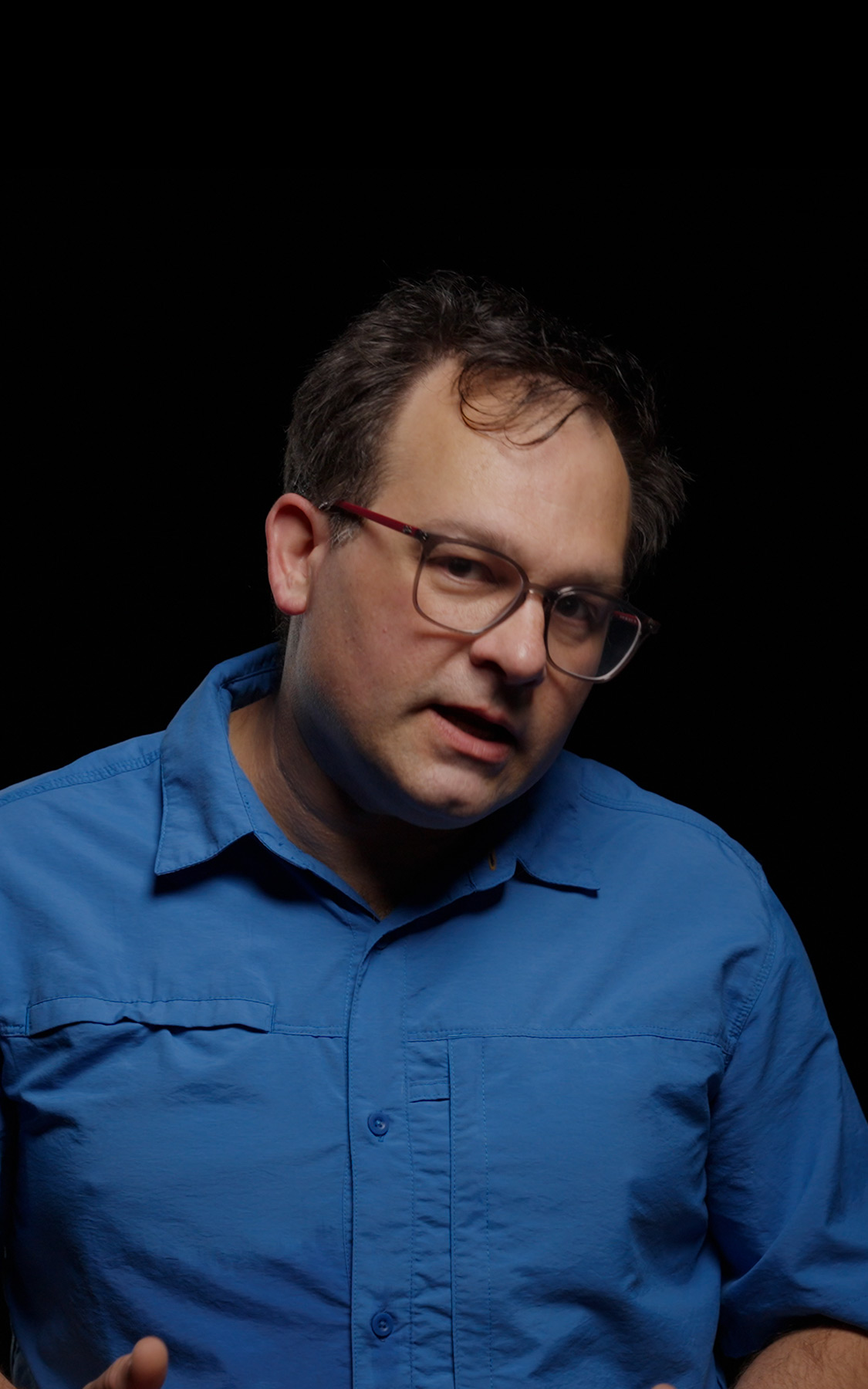
The really bizarre part of the quantum world is that if you look, if you try to ferret out what's really going on, you change the result on the other end.
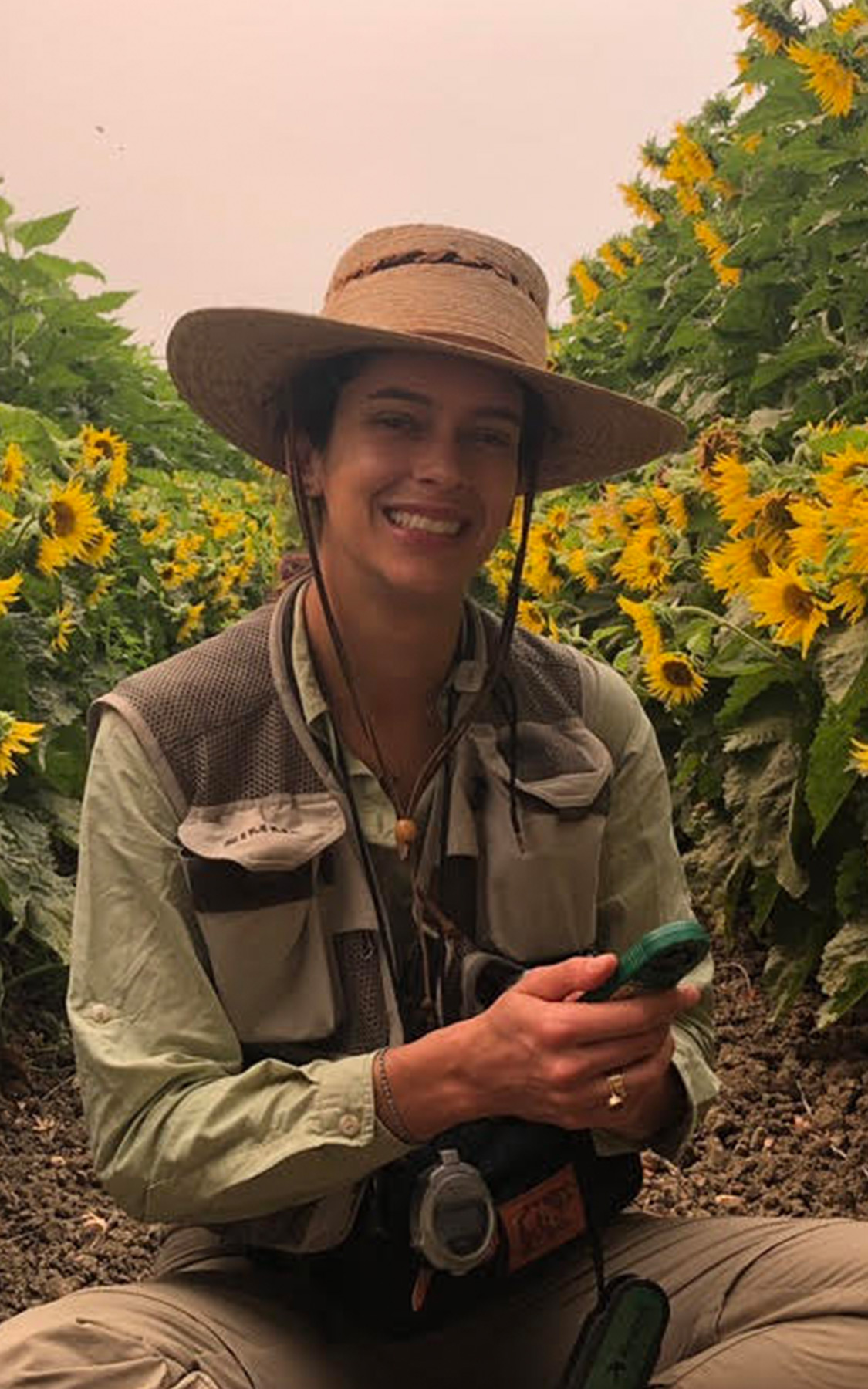
We need to diversify our pollination systems to protect American agriculture. Studying how we can promote pollination systems in different landscapes will benefit its long-term resilience.
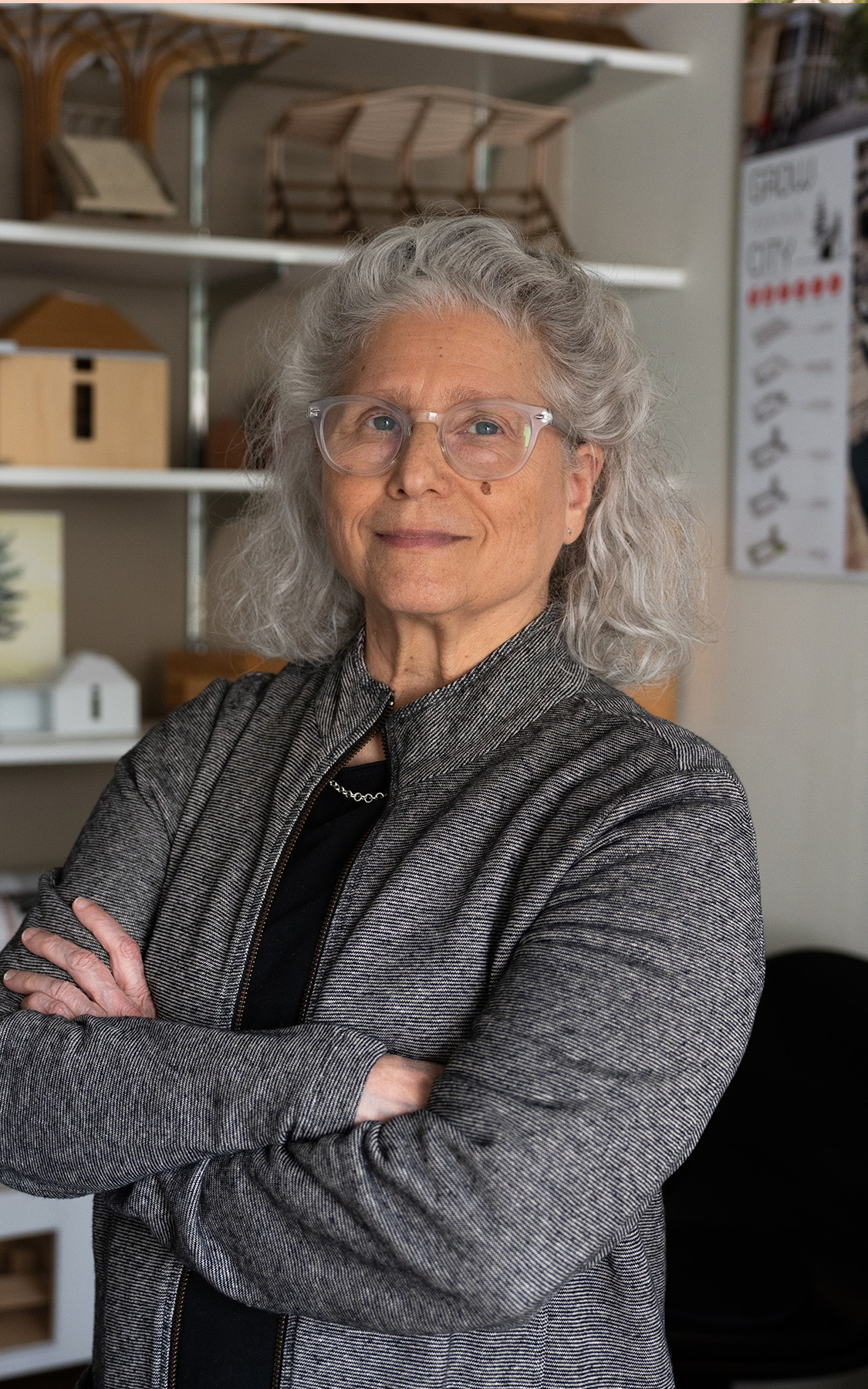
Wood can replace steel and concrete in construction, and it's been proven to have biophilic properties. Studies show that wood workplace environments mean fewer absences and more productivity.