A Brief History of Hayward Field
What started as a football stadium has been transformed into an iconic track-and-field destination with a global reputation.
1919: From Cow Pasture to Football Stadium
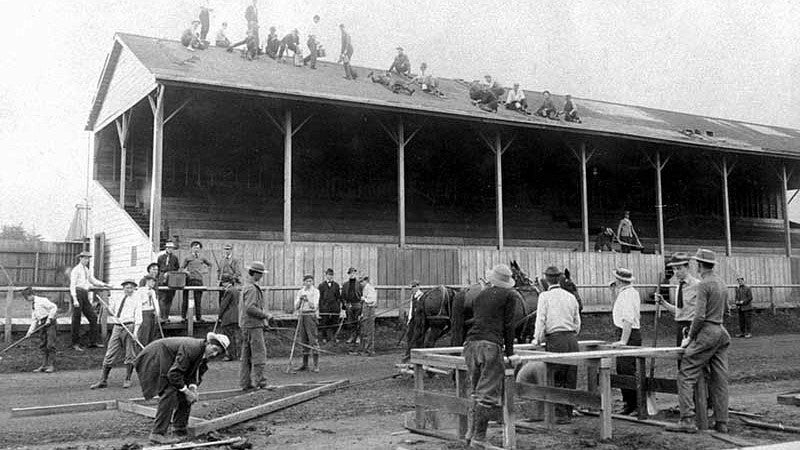
Hayward Field was originally constructed as a football stadium. It was previously a cow pasture, where the university kept cattle to supply milk to the dormitory students. A creek ran through this lot—three feet of rock and coarse gravel had to be laid, and then 12 to 15 inches of sandy soil on top.
Stadium Named in Honor of Coach Bill Hayward
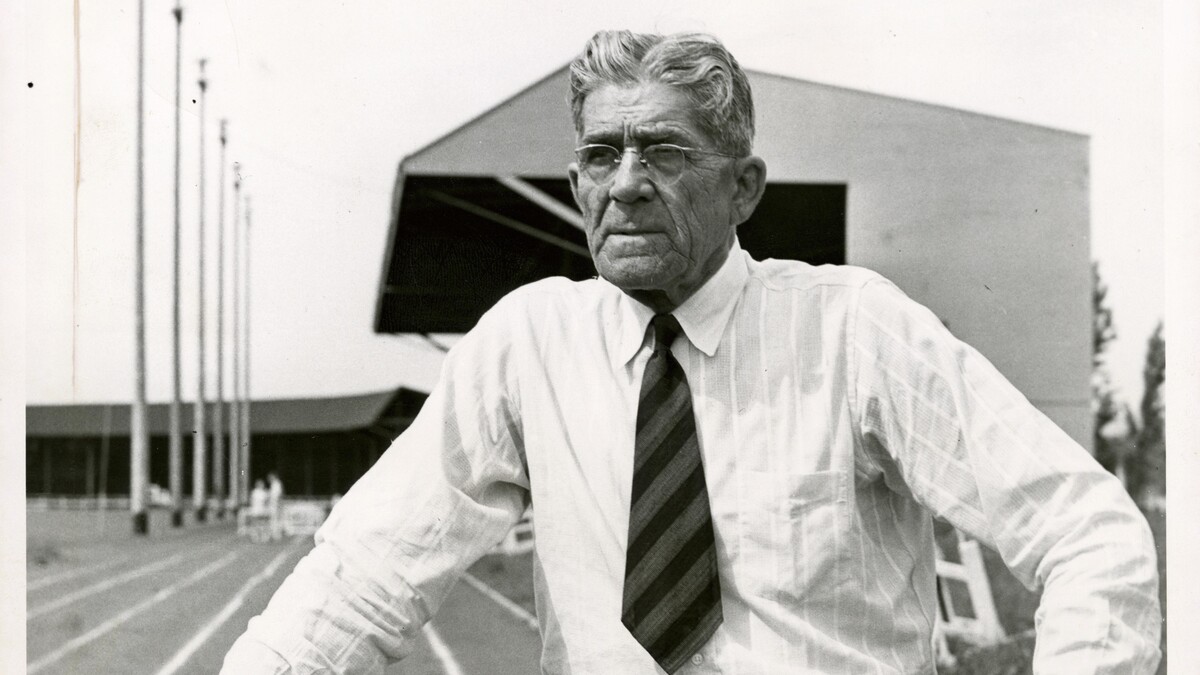
The father of Oregon track and field, Bill Hayward, was known as the “Grand Old Man” during his 44-year career as a Duck coach from 1904 to 1947. In addition to his track and field coaching duties, Hayward served as athletic trainer and basketball coach. He coached four track world record holders, six American record holders, and nine Olympians, and assisted on US Olympic teams from 1908 to 1932.
Early 1970s: Hayward Field’s Rise in Track and Field
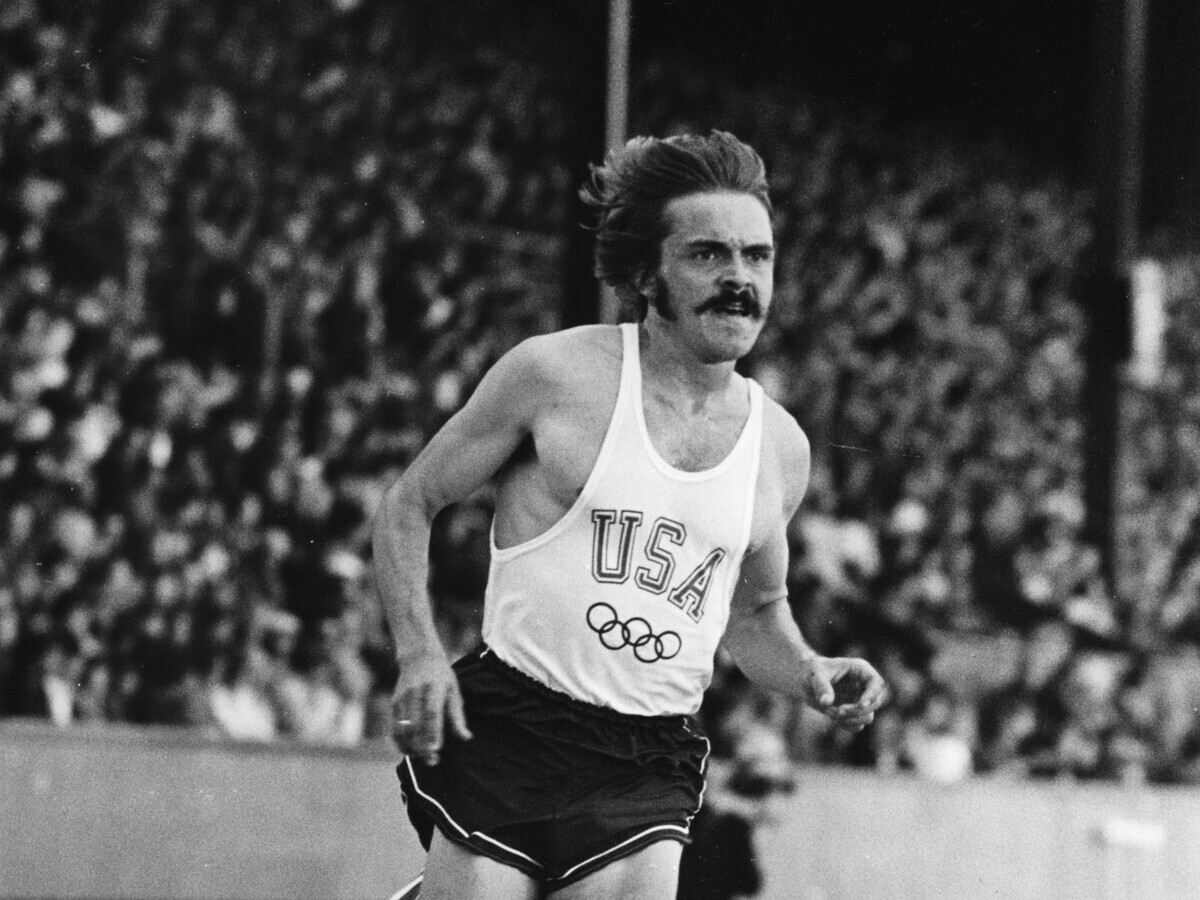
Hayward Field is designated solely as a track-and-field stadium in 1967, and the first all-weather urethane surface is installed in 1970. Steve Prefontaine represents the United States at a dual All-Star meet in Eugene against the Soviet Union in July 1971. A year later, Hayward Field hosts the Olympic Trials and the NCAA Championships.
1992: Bowerman Family Building Completed
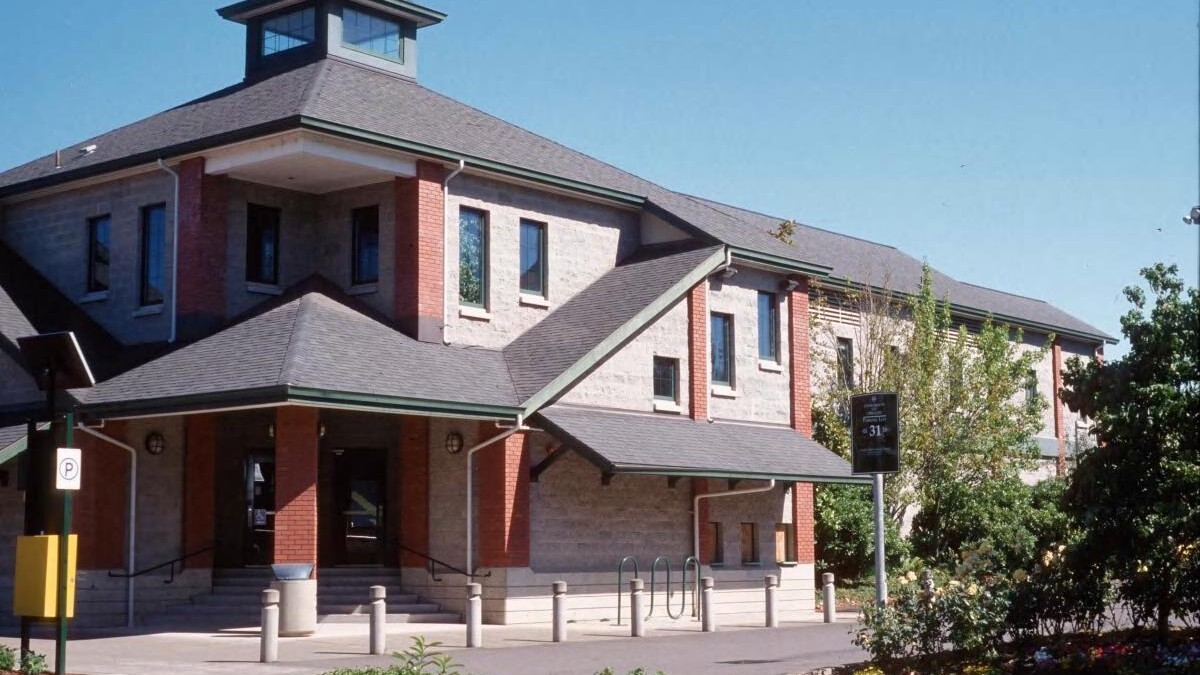
The $2 million Bowerman Family Building is completed. The two-story, 15,000-square-foot brick building houses the Bowerman Sports Science Clinic, athletic treatment, locker rooms, and meeting rooms, as well as memorabilia and exhibits that commemorate great athletes, teams, and moments in the program's history.
2020: A New Era for Hayward Field
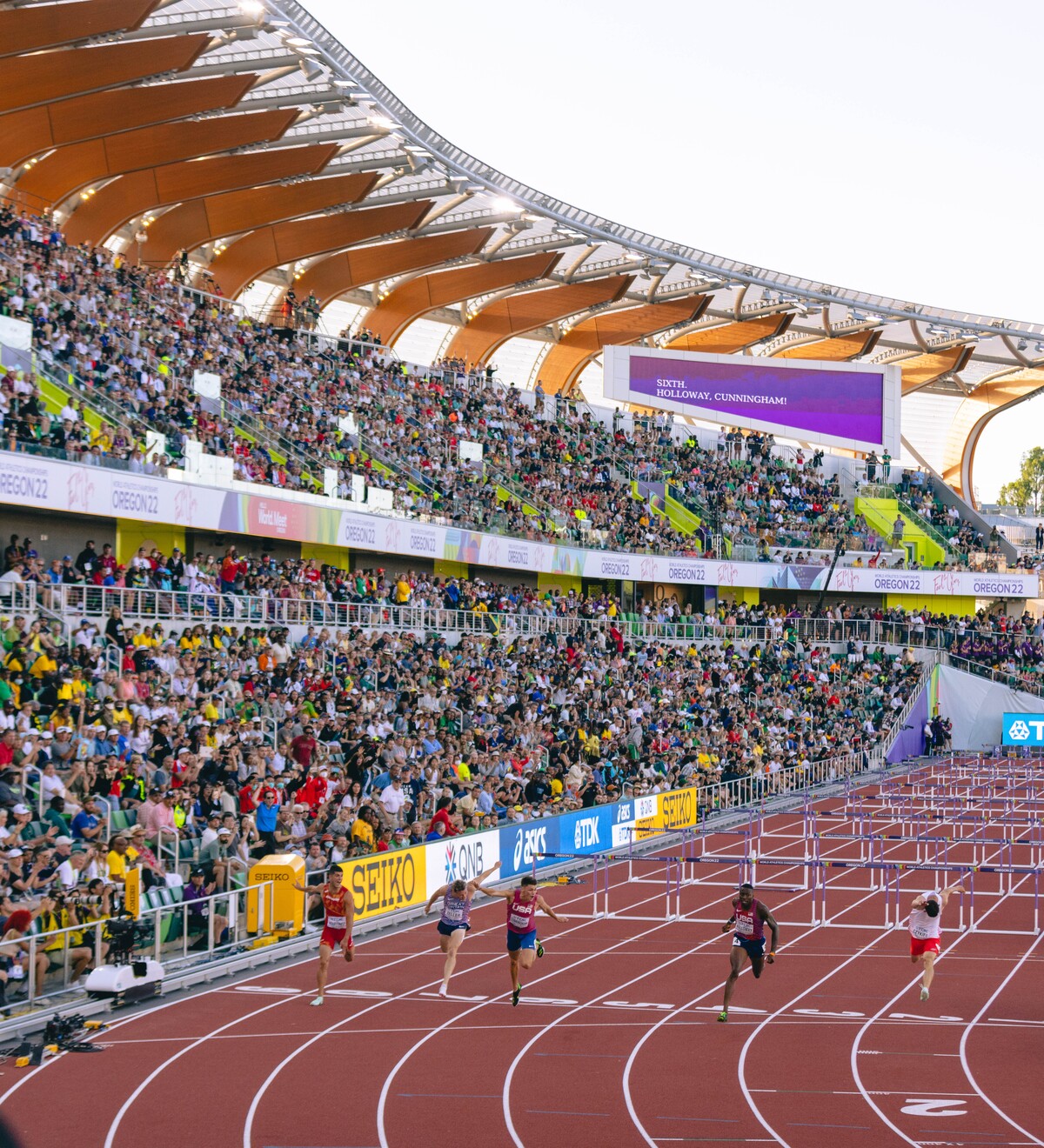
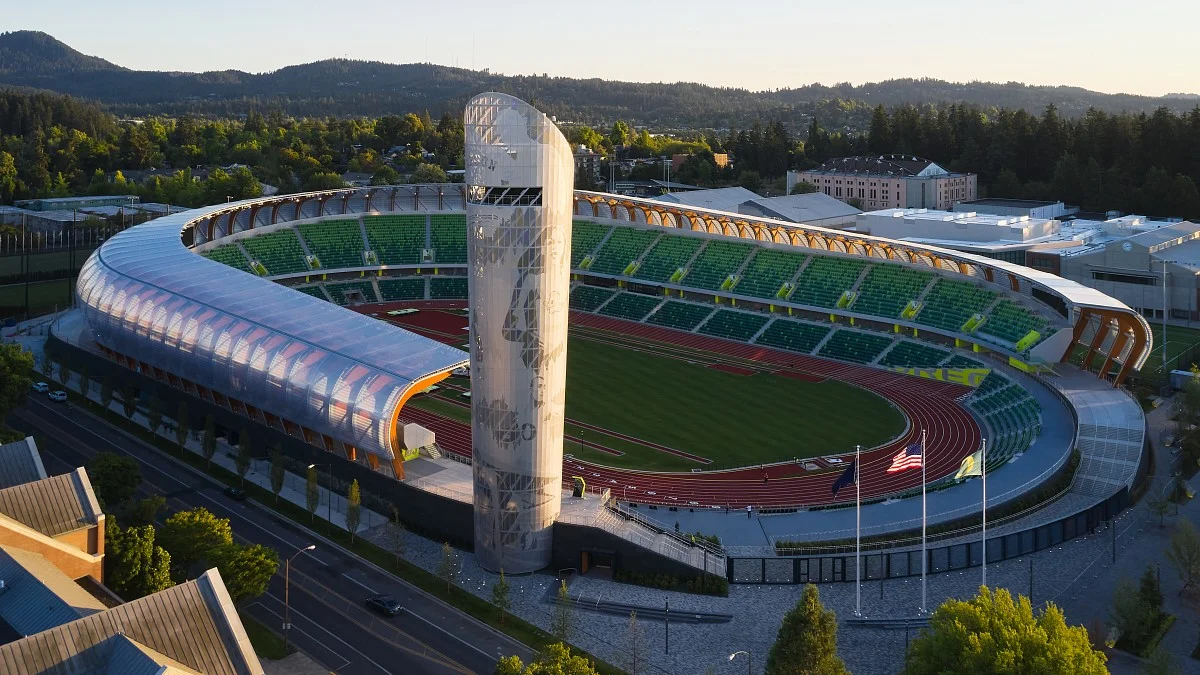
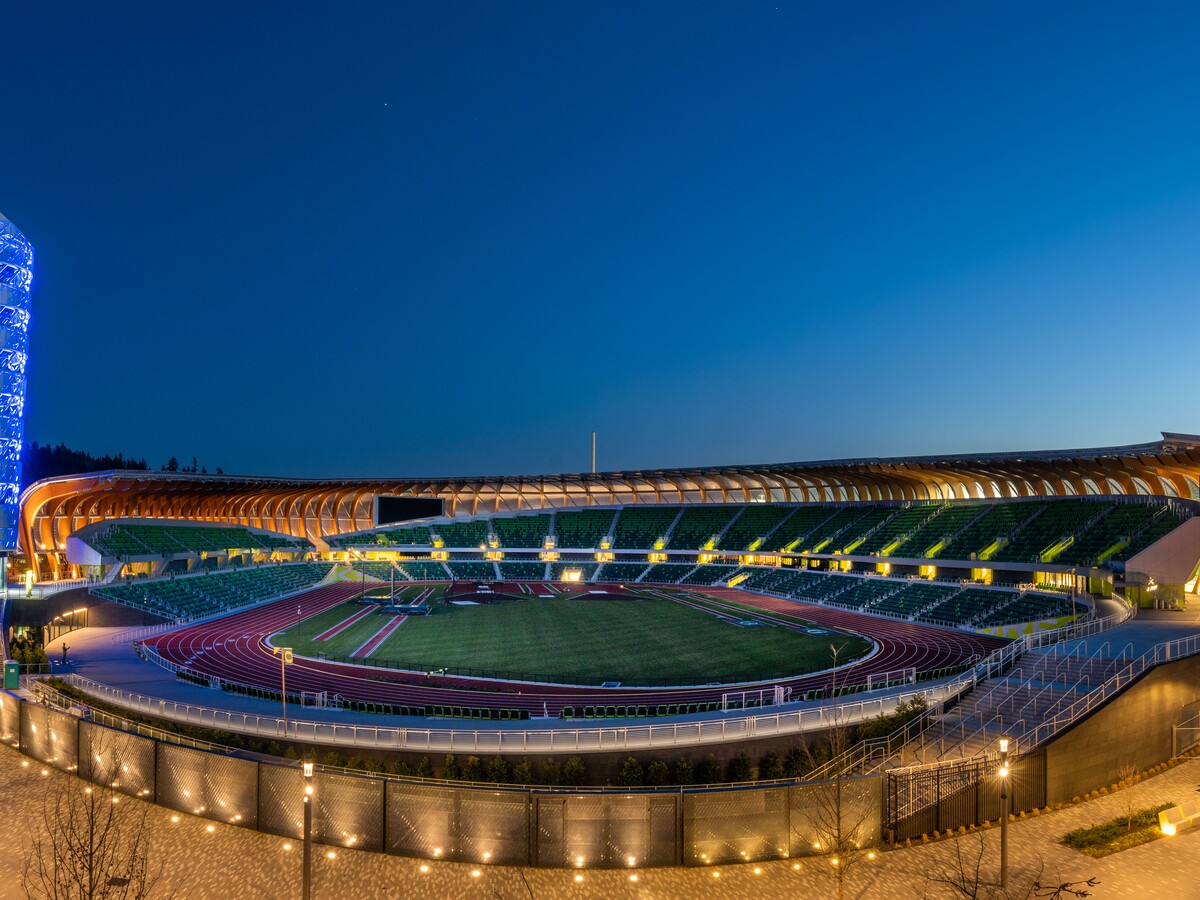
Hayward Field is rebuilt from the ground up. The reimagined stadium debuts in 2021, ready to host the World Athletics Championships ‘22. The new design is an architectural marvel, specially designed to bring fans closer to the drama of the competition on the field. There's a new nine-lane track, a 9-story Hayward Field Tower shaped like the Olympic Torch, an interactive museum, a massive underground track and practice space, plus labs and facilities for UO’s Department of Human Physiology.
A Look Inside the Bowerman Sports Science Center
Hayward Field is looking to the future through research and innovation at the Bowerman Sports Science Center, tucked into the larger athletic facility. Our researchers study the mechanics of the human body and how it reacts to stress, and work with athletes to help them reach peak performance while avoiding injury.