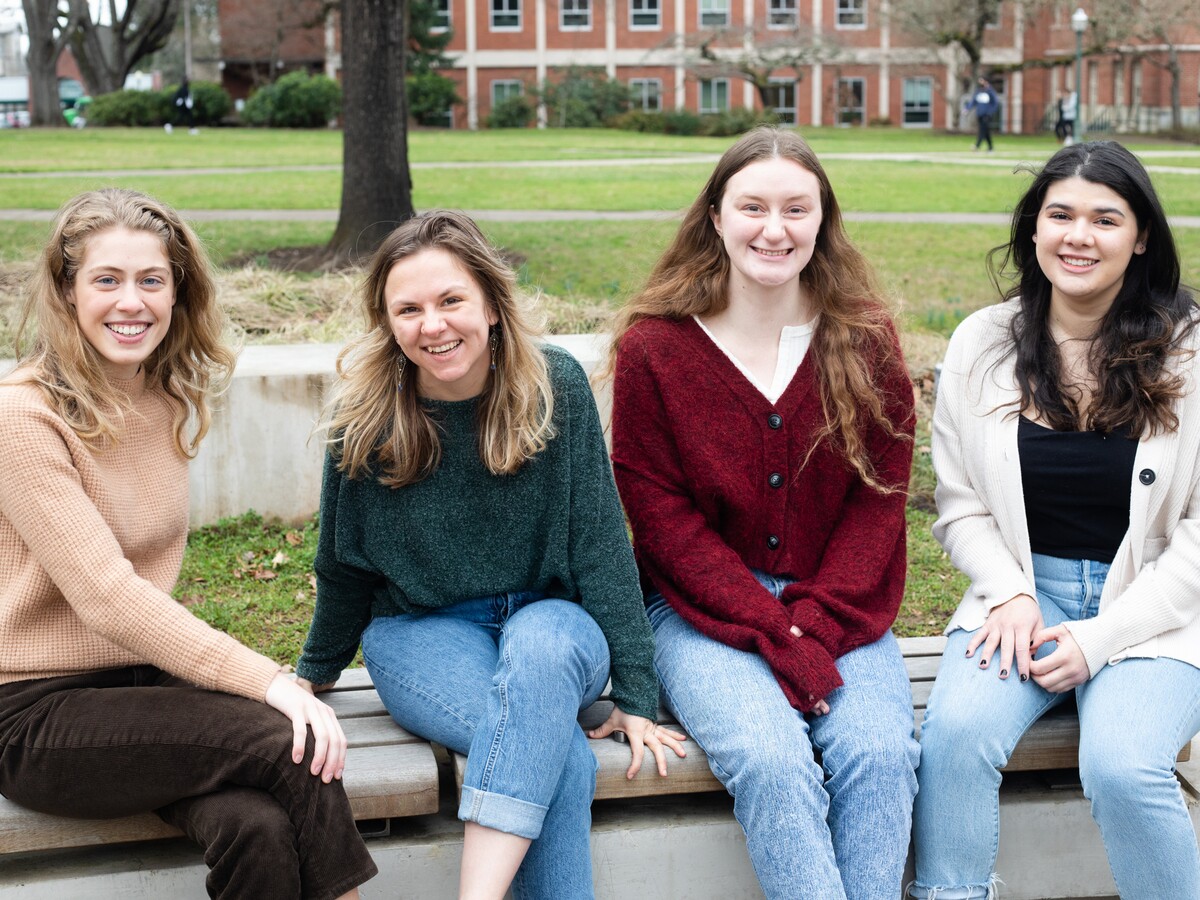
Center for the Study of Women in Society
This hub funds, shares, and supports research that addresses the complicated nature of gender identities and inequalities.
More than 300 programs across nine schools and colleges. Find your path — from undergraduate degrees to advanced research.
Academics OverviewYour journey to the UO starts here. Submit an application, explore financial aid and scholarships, or schedule a campus visit.
Admissions OverviewLife at the UO is more than classes. It's community, culture, and the kind of experiences that shape who you become.
Student Life OverviewOur research centers and institutes advance solutions to complex challenges, improving lives in Oregon and around the world.
This hub funds, shares, and supports research that addresses the complicated nature of gender identities and inequalities.
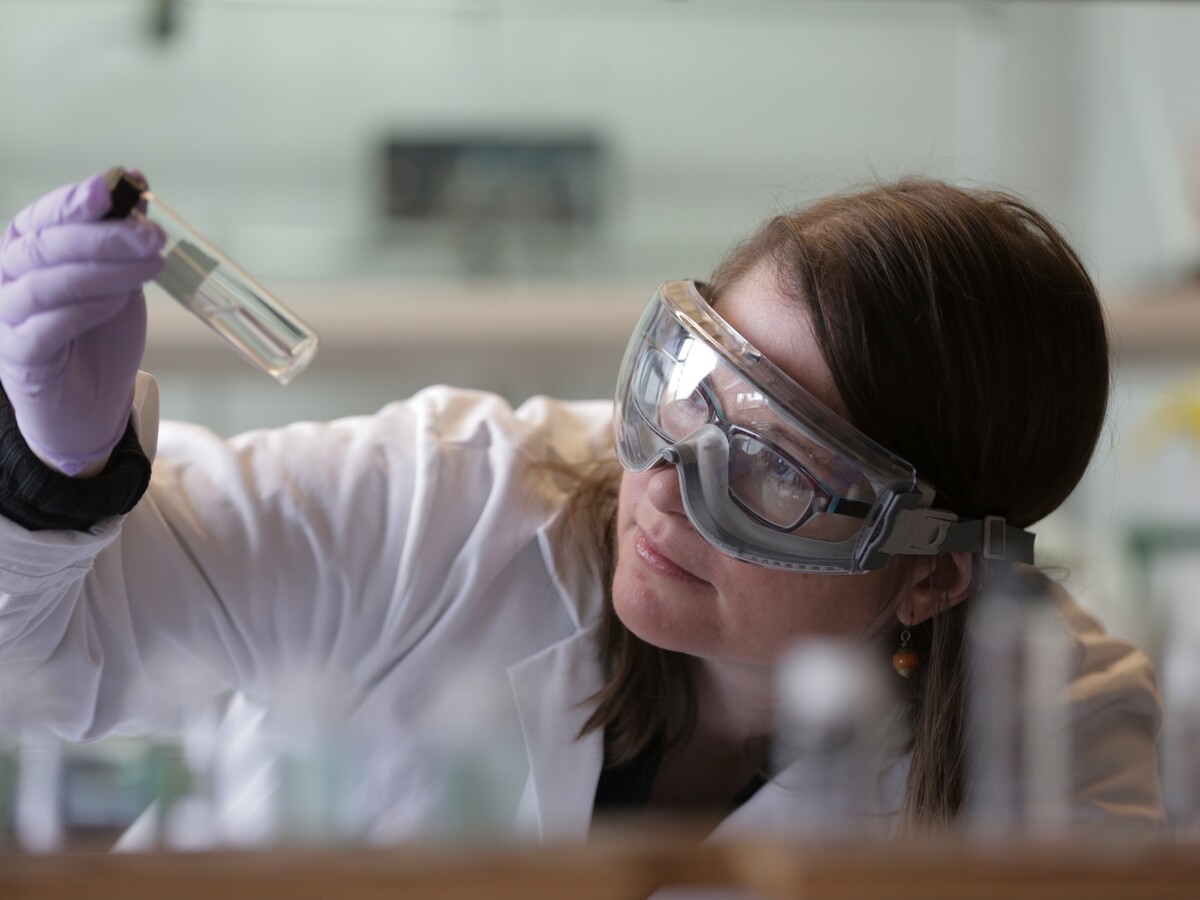
Through mentorship and career development, the committee works to increase the number of women scientists and engineers worldwide and hosts programs in over 25 countries.
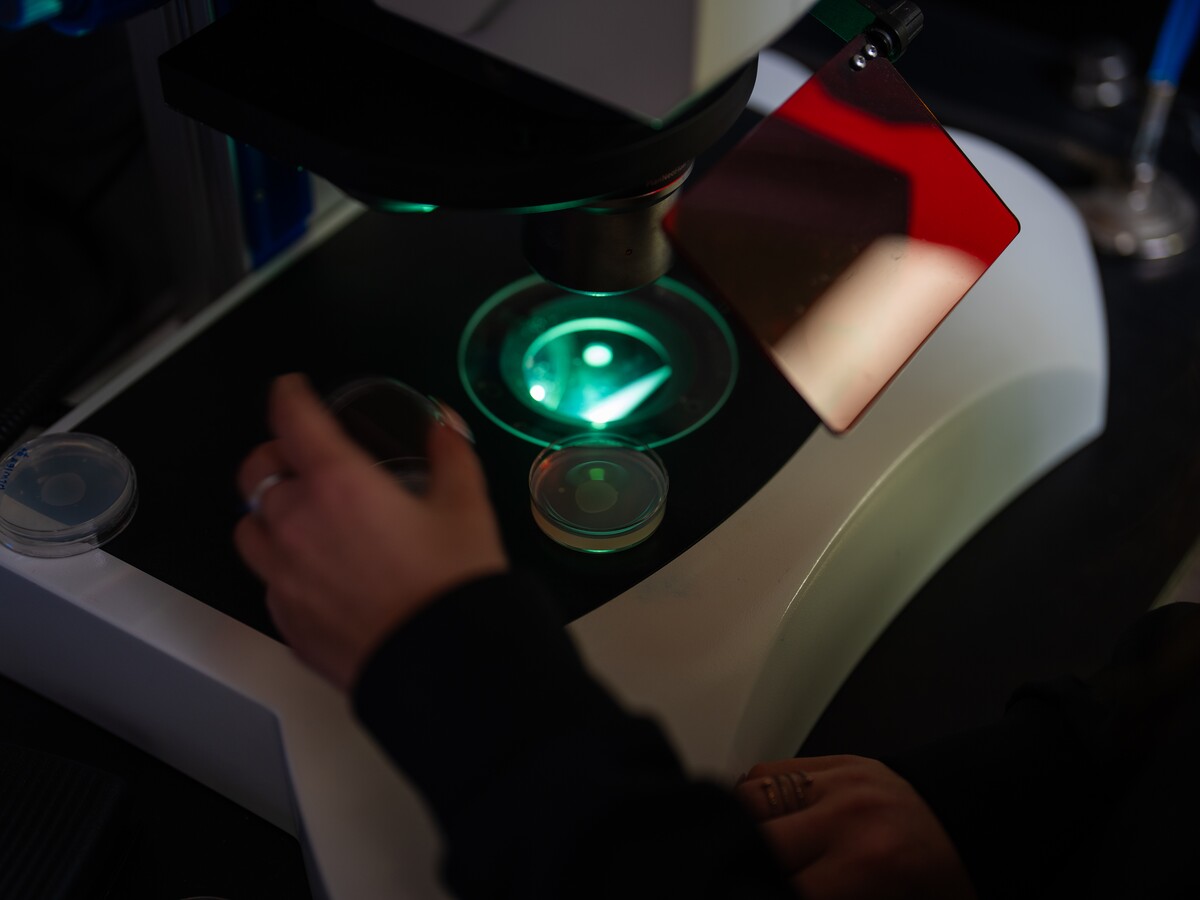
Researchers at the Institute for Fundamental Science push the boundaries of the laws governing our universe, from the subatomic scale to the furthest cosmological horizon.

This team connects research and resources to help communities and organizations adapt to change and thrive in the face of natural hazards, a changing climate, and other crises.
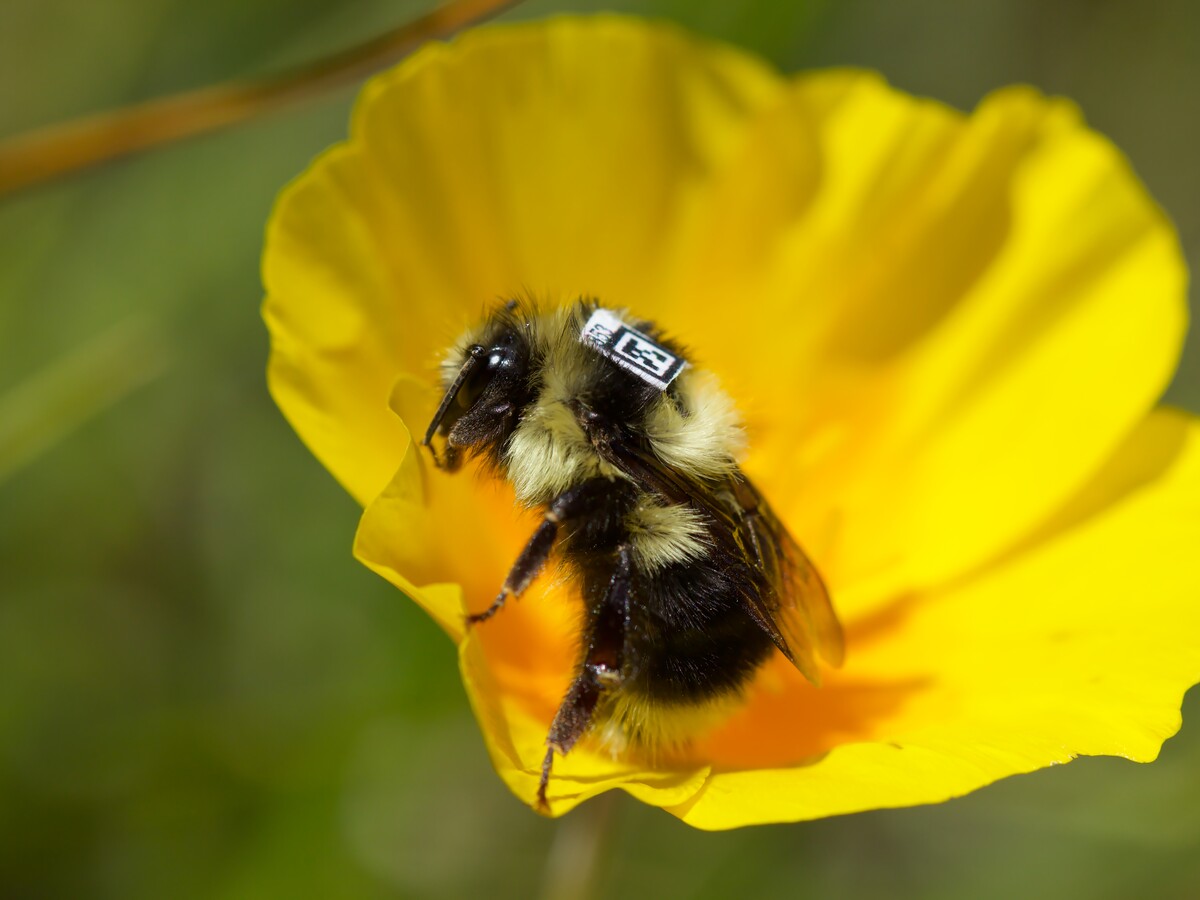
Scientists at the institute explore the dynamics of evolution, ecology, and biodiversity using approaches that span molecules, populations, and entire landscapes.
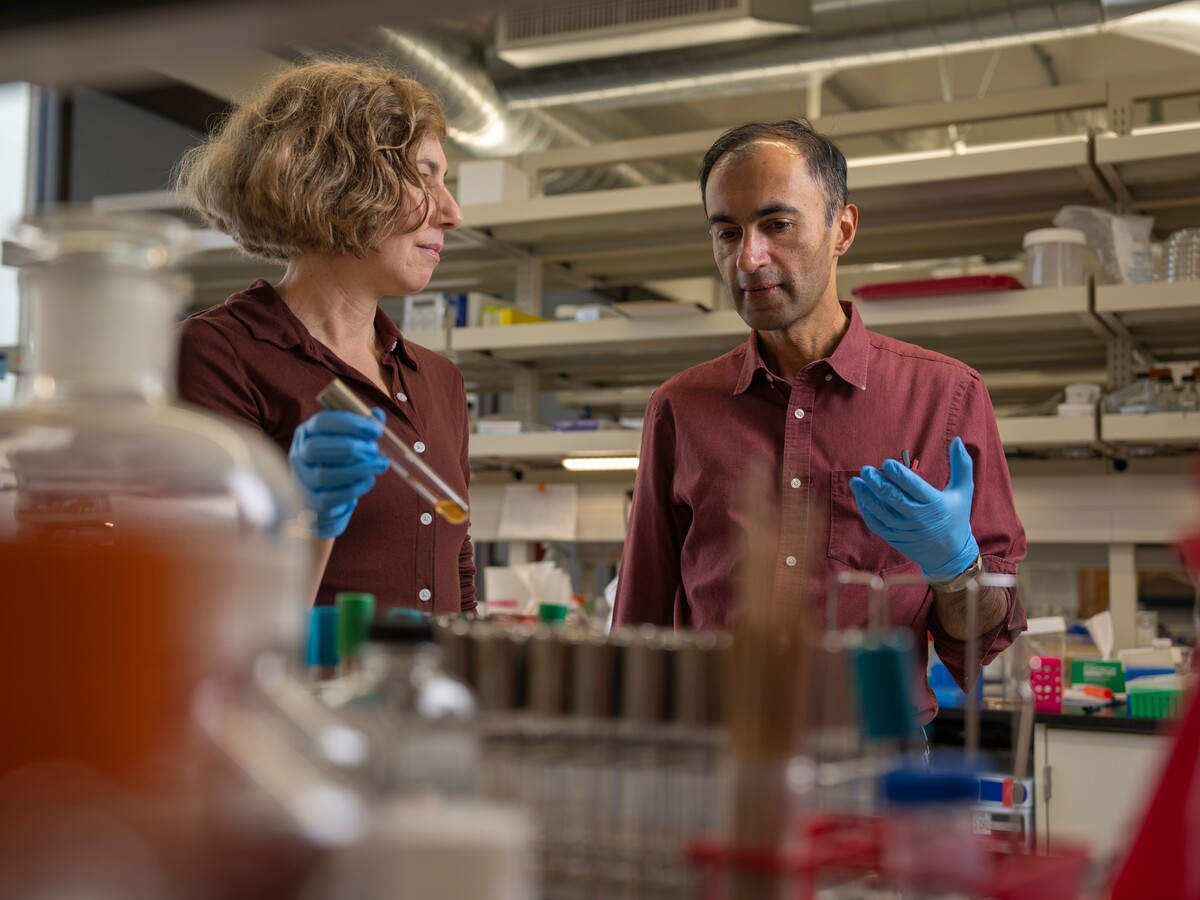
Faculty conduct research at the intersection of genetics, biochemistry, and biophysics to uncover cellular and genetic mechanisms that influence human health.
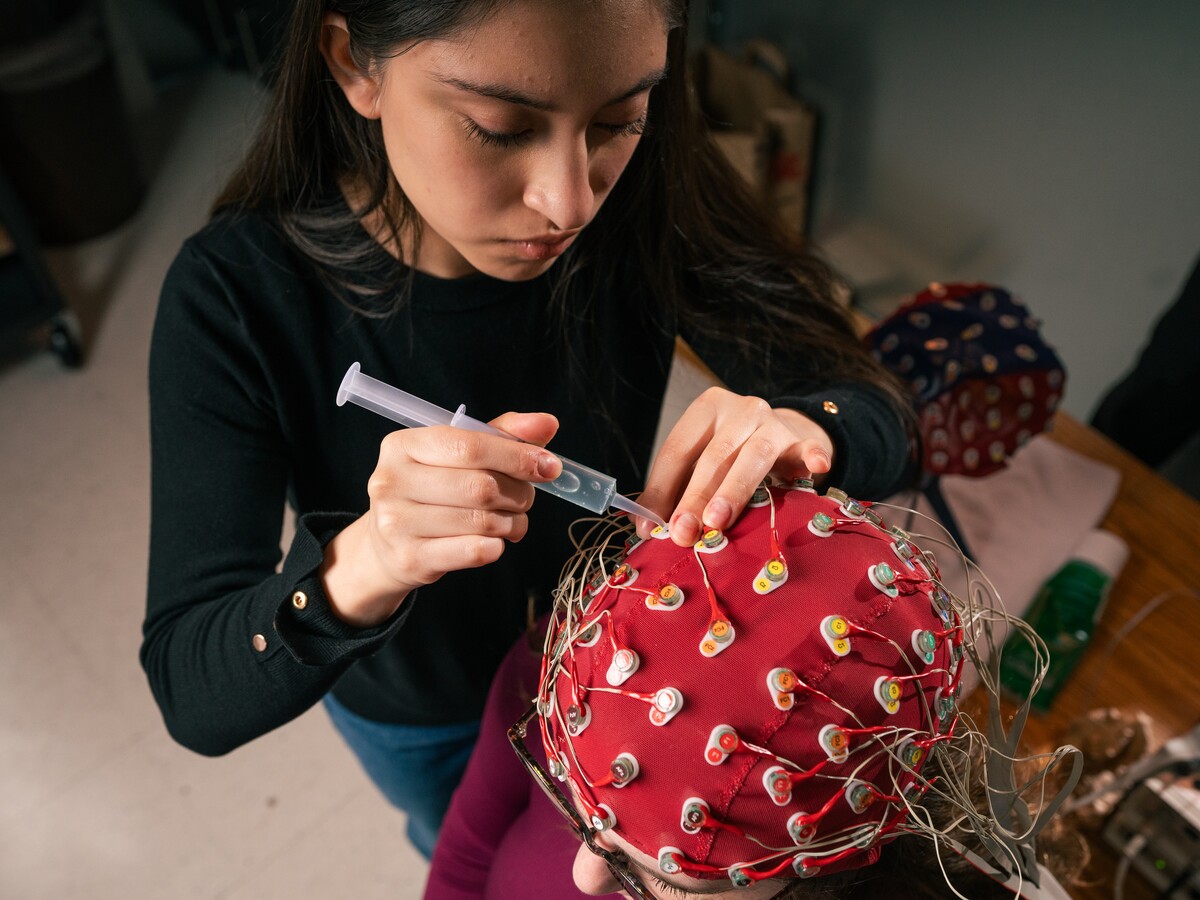
Members of the institute investigate how the brain operates across multiple levels, from cellular functions to developmental biology and cognitive processes.
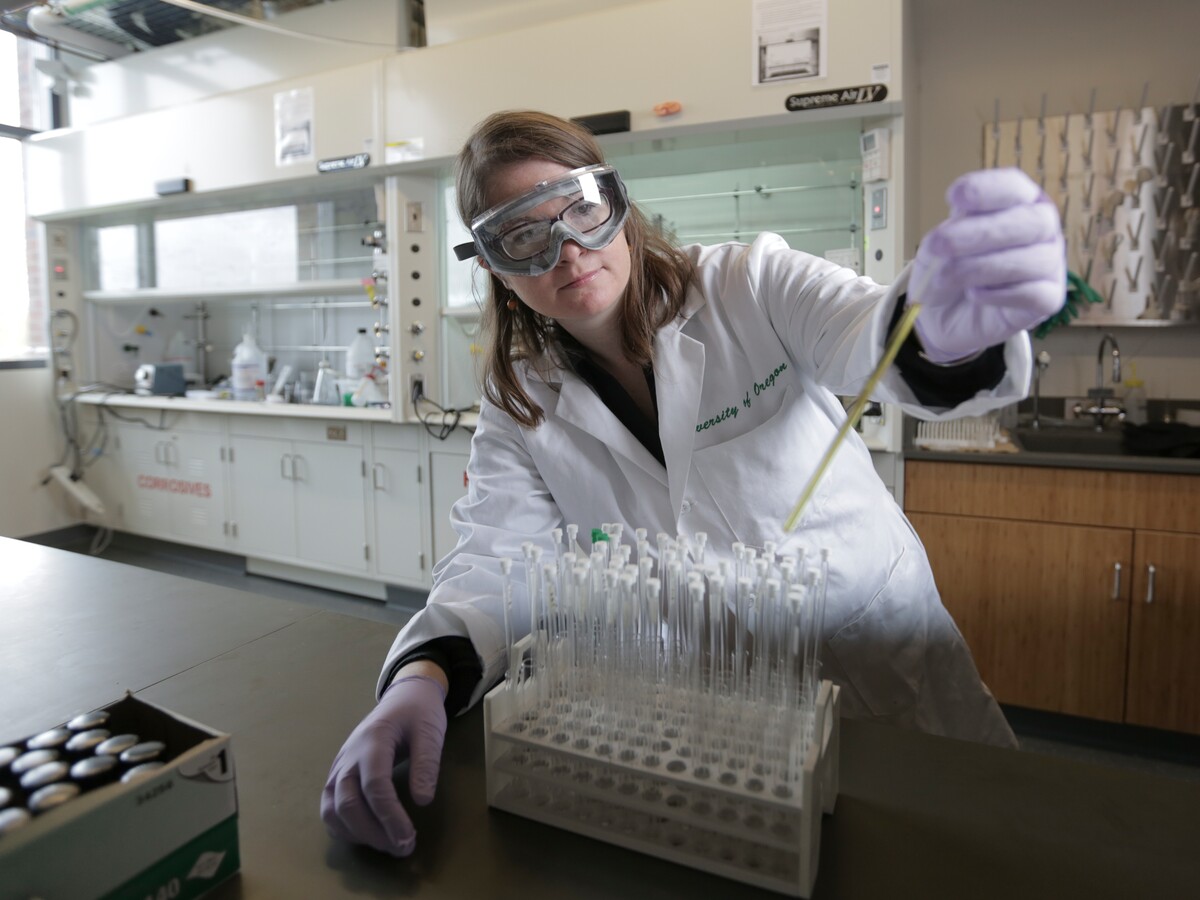
Researchers at the Materials Science Institute develop new materials to solve urgent global issues, from clean energy and advanced computing to human health.

These scientists lead high-performance computing research at the university. The work includes E4S, an open-source software stack for scientists, and TAU, a tool for measuring computing performance.
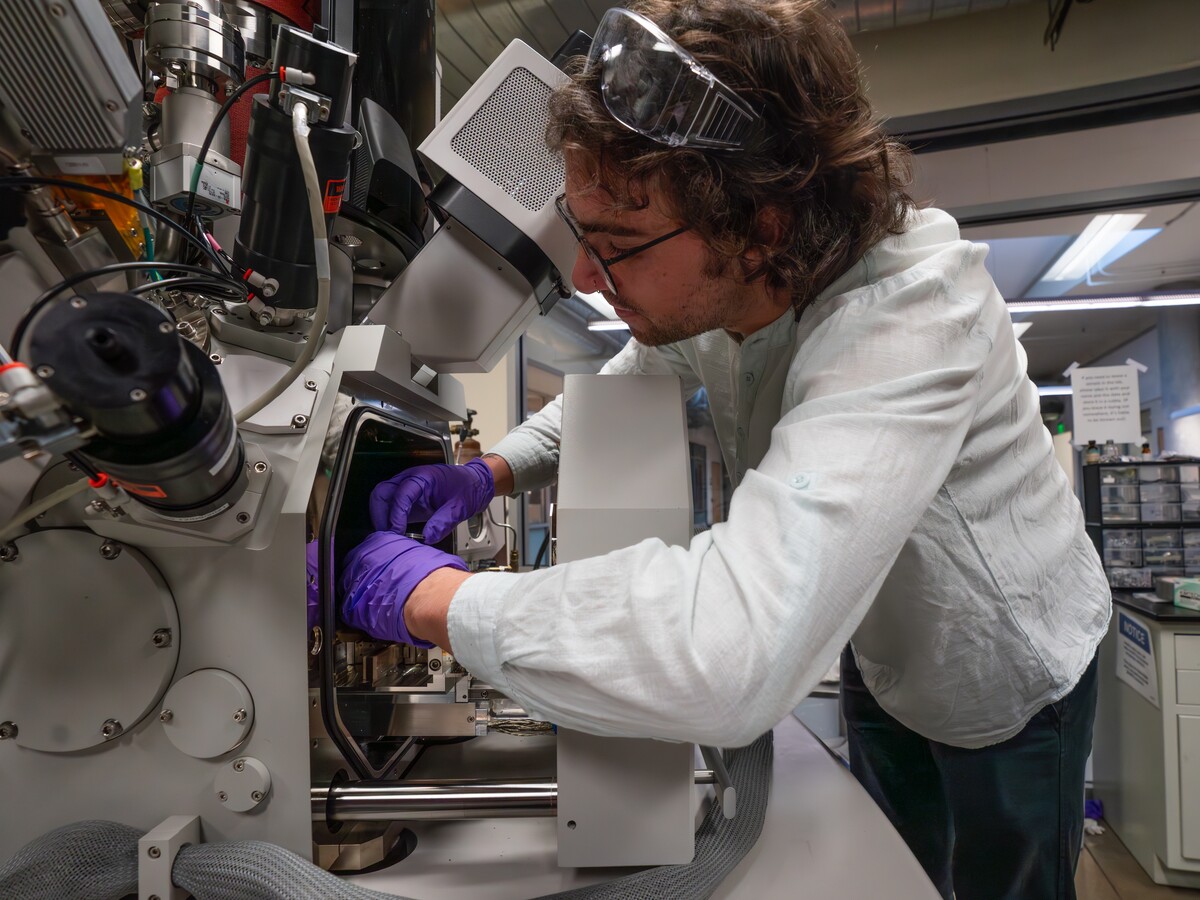
Researchers here study how light and matter interact, leading to new technologies in fields like microscopy and spectroscopy.
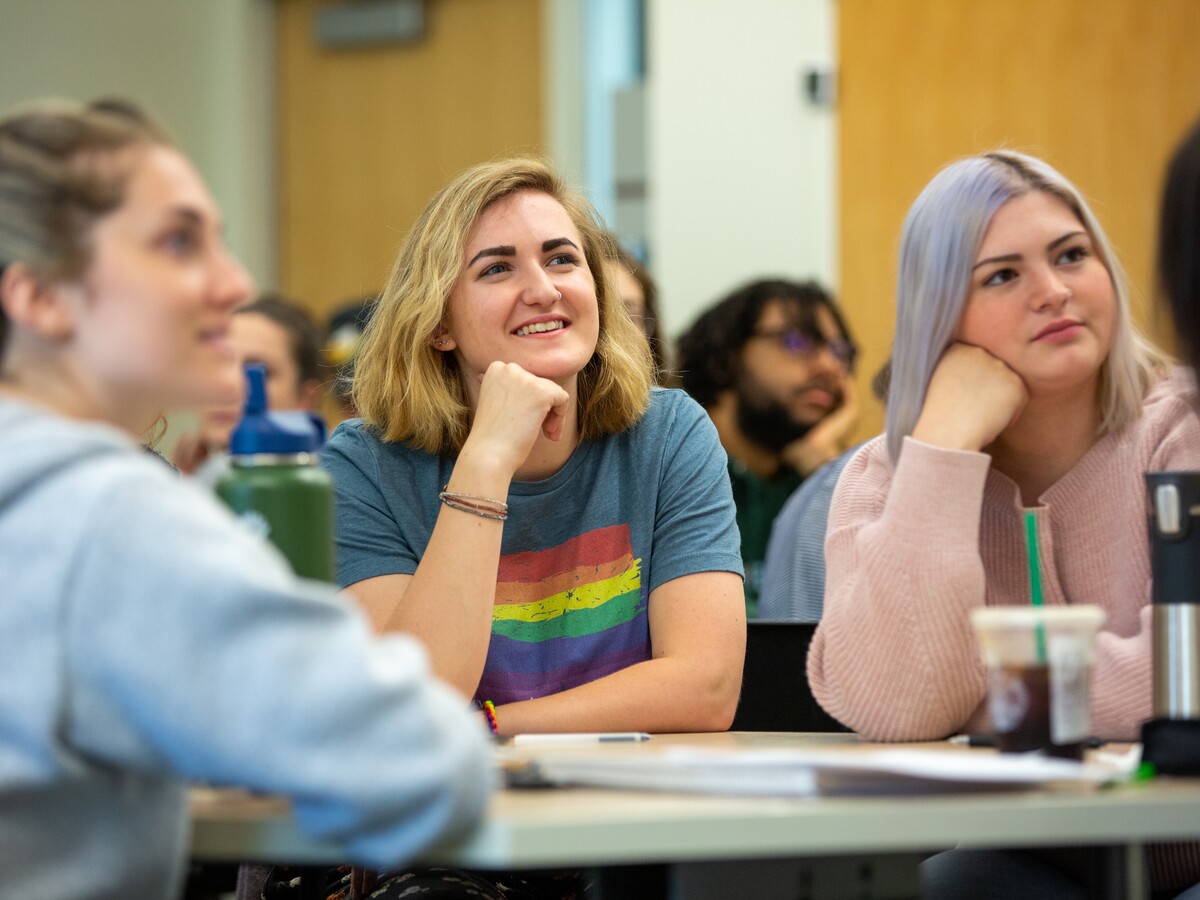
The Oregon Humanities Center supports humanities research and helps students prepare for their careers, while offering free public programs that benefit the community.
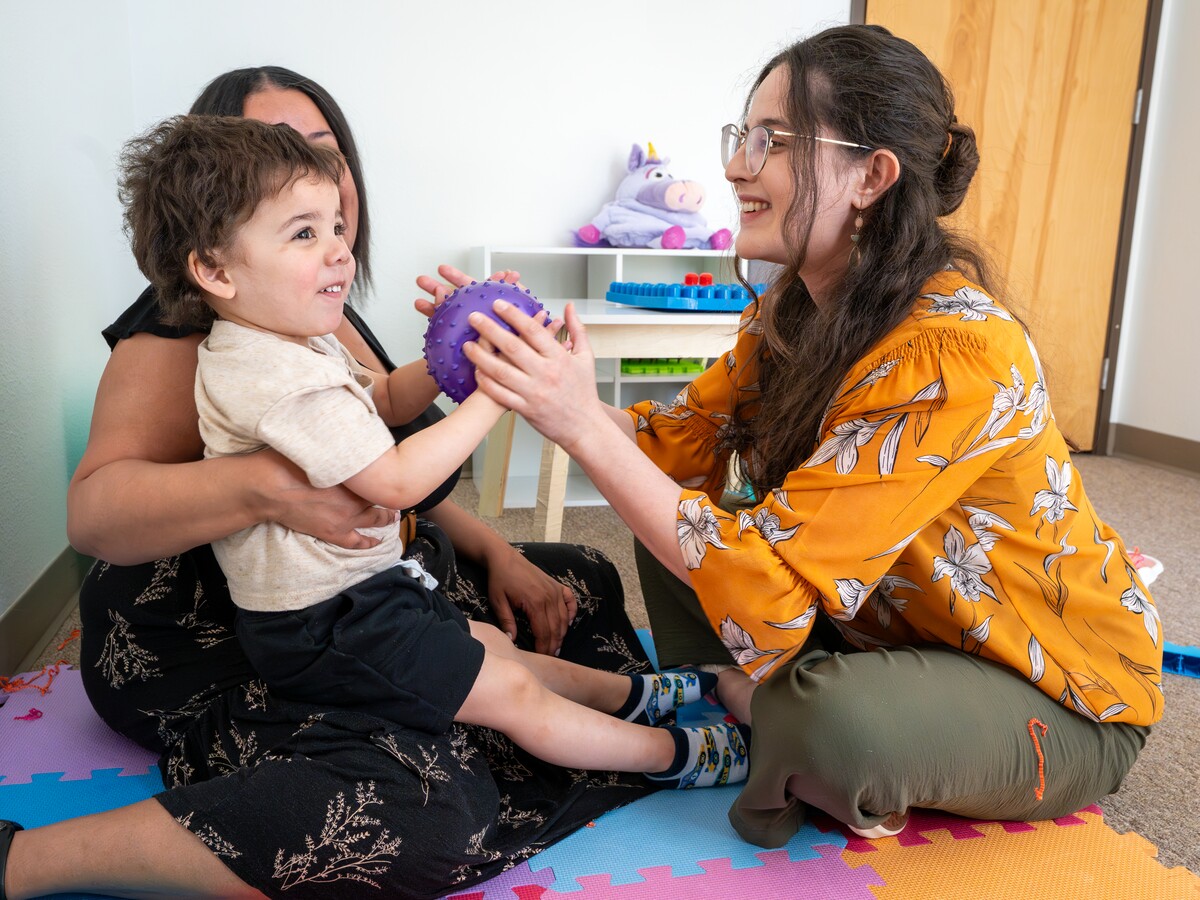
Scientists work to improve life for people of all ages. Their research covers substance use prevention, early childhood language development, and family support.
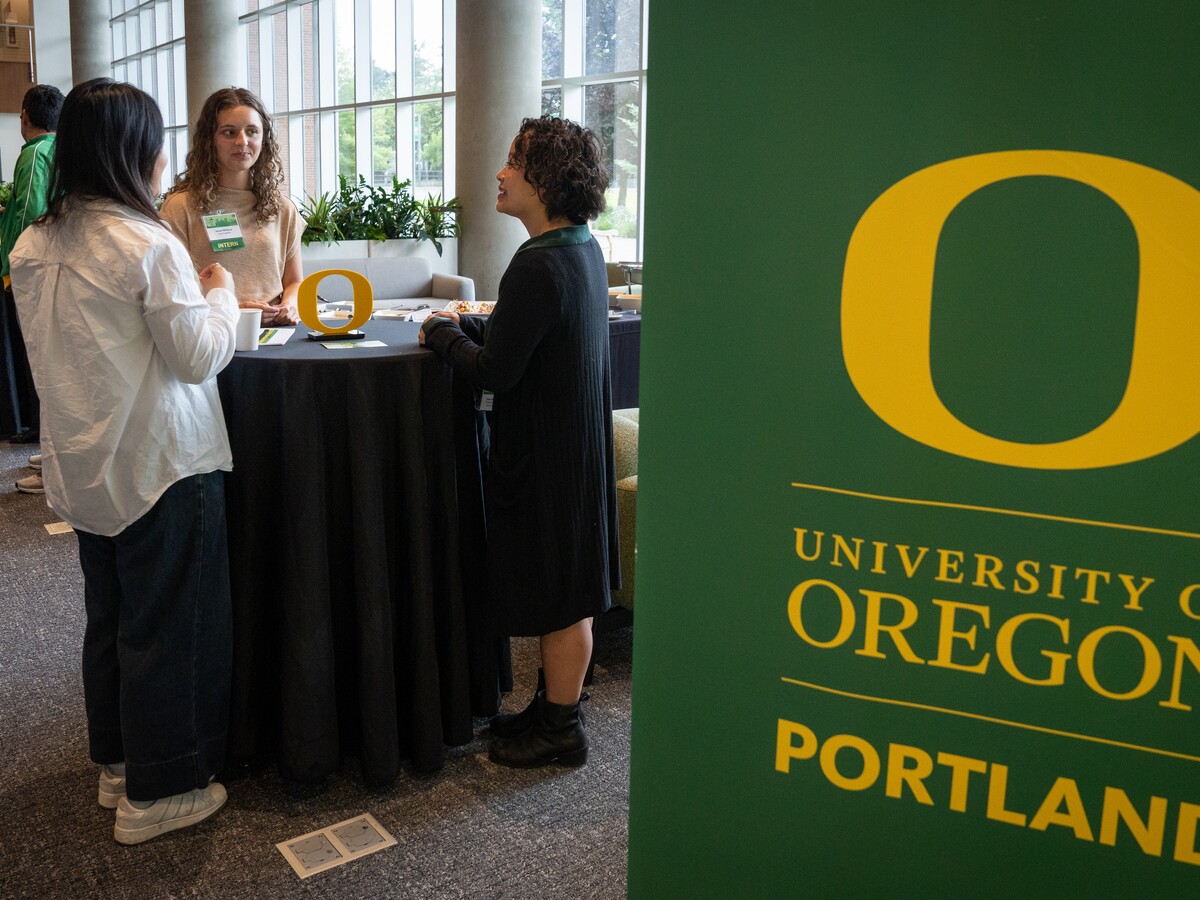
UO Portland research centers explore sustainable design, the future of cities, journalism, media, workers' rights, and creating resilient families — using the city as a living laboratory.
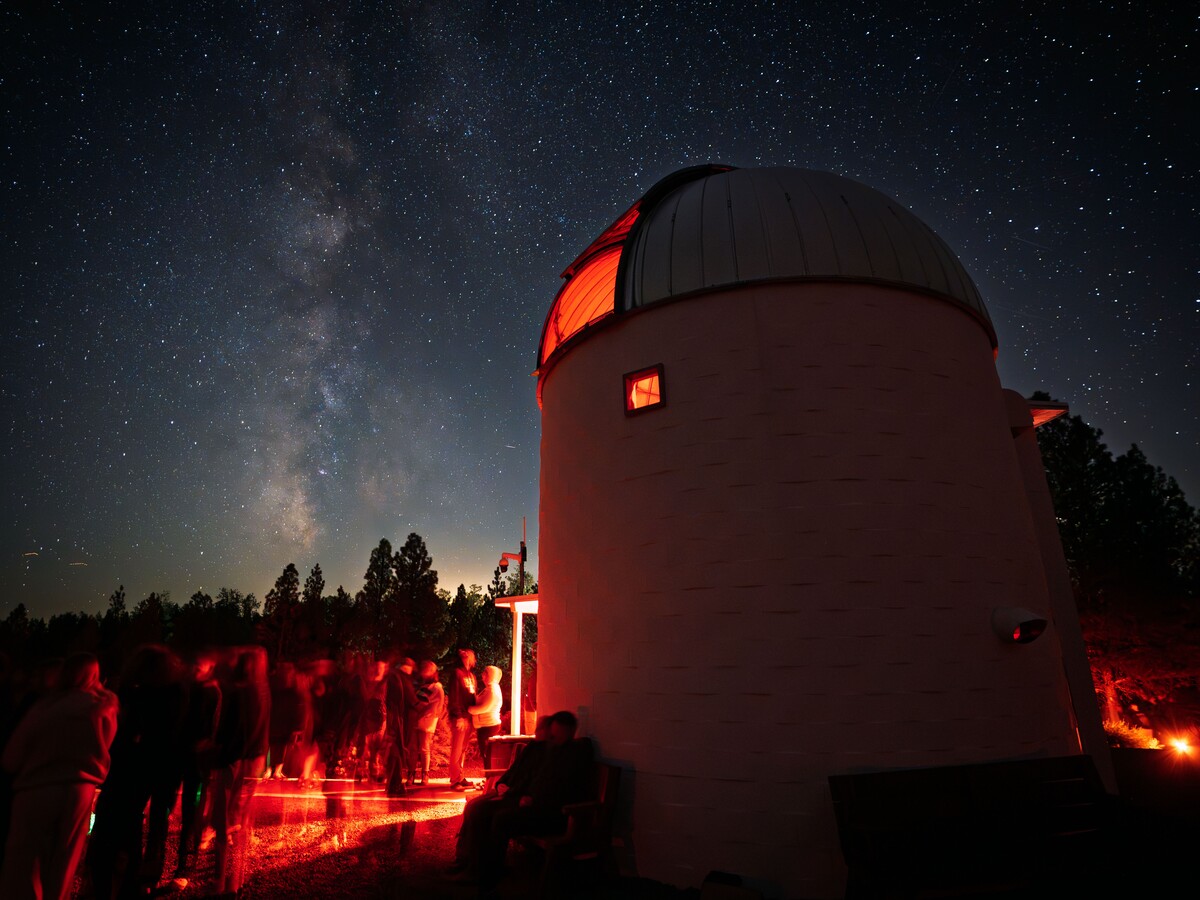
Beyond those highlighted here, the UO has more than 60 additional centers, institutes, and research-related groups across our schools and colleges.
We're strongest when we work together. Our research centers and institutes put that strength into action, fueling discovery while training the next generation of researchers.
In the News
Our centers and institutes power bold innovation and impact through multidisciplinary collaboration and accelerated discovery.
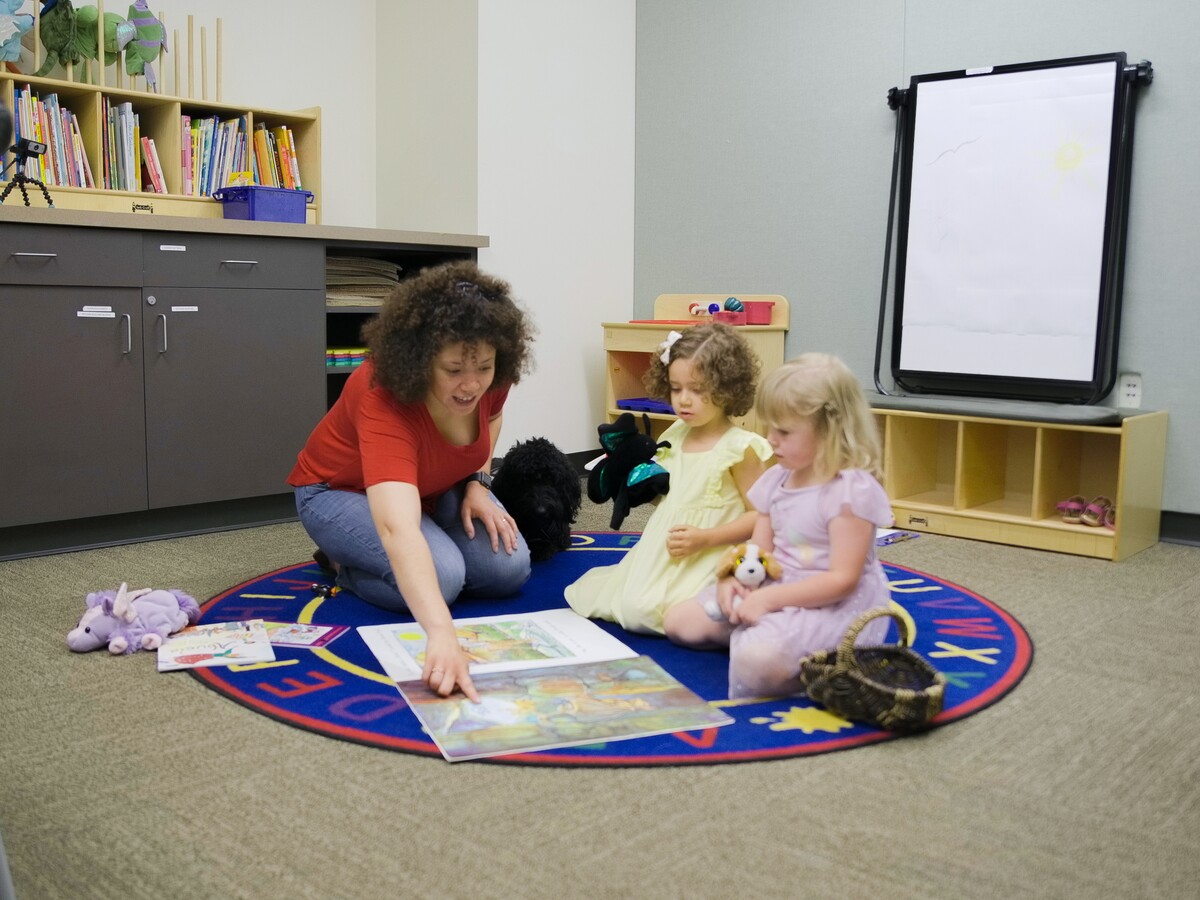
National Center Supports Children's Mental Health
With an $11 million federal grant, the UO has launched a national center for children's mental health. Part of the Prevention Science Institute, the center puts the university at the forefront of national prevention efforts to improve teen mental health.

A New View Into the Universe
UO scientists have discovered a black hole emitting an unprecedented amount of energy. The research, led by the Institute for Fundamental Science's Yvette Cendes, offers new insight into the cosmos.
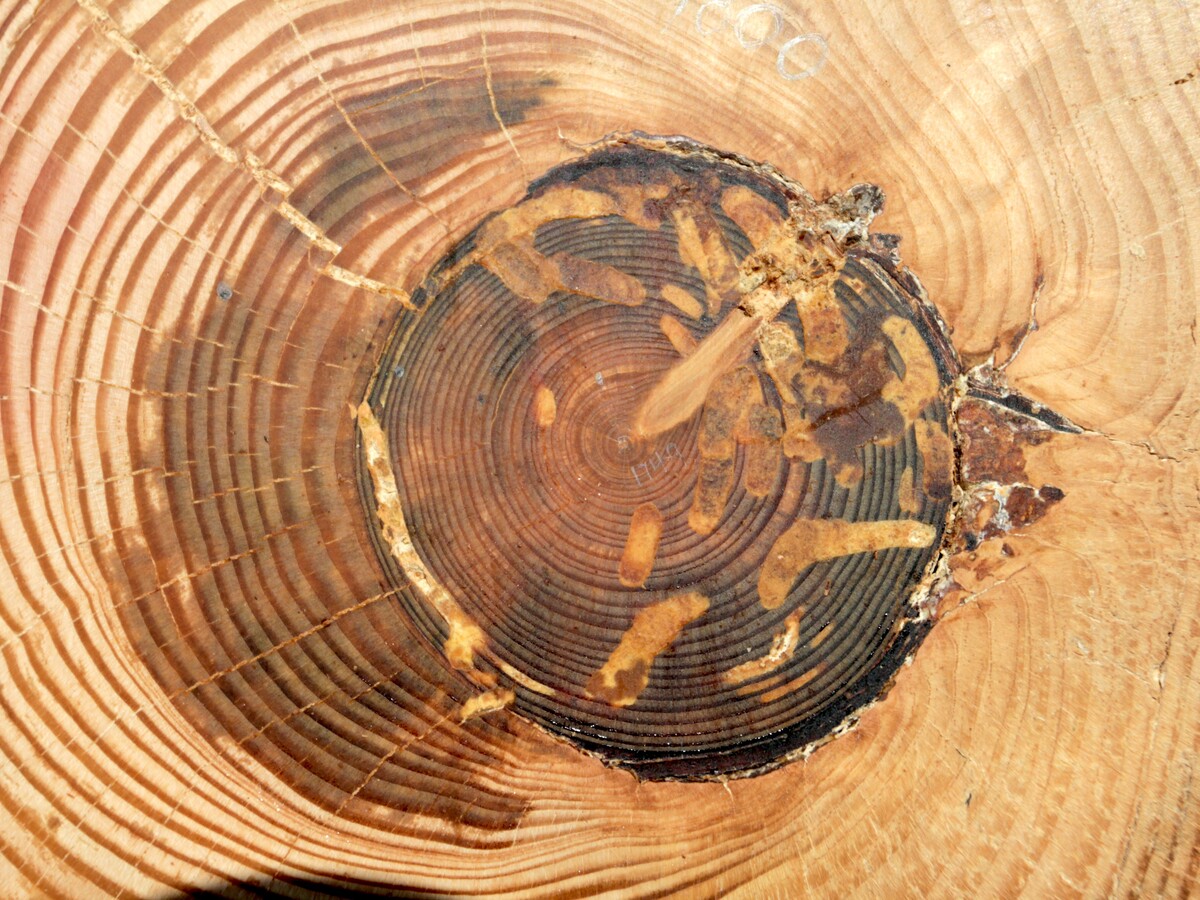
Rewriting Oregon's Fire History
Research from the Institute for Resilient Organizations, Communities, and Environment challenges long-held beliefs about Douglas fir landscapes. Findings show that Oregon's temperate rainforests historically experienced fire more frequently than previously understood.
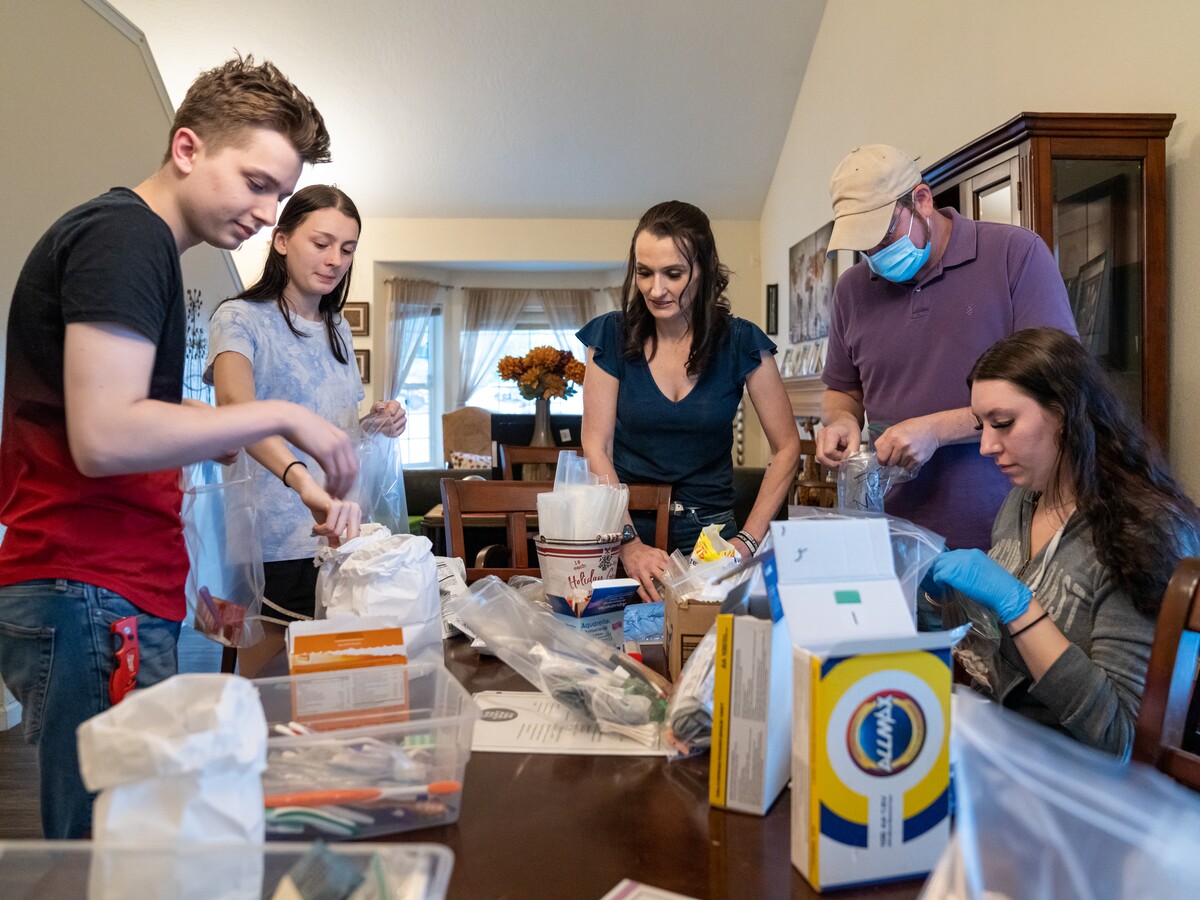
Research as a Public Service in Eugene
UO students and researchers, including the Institute for Ecology and Evolution's Rori Rohlfs, helped Eugene quantify the community impact of non-police crisis management. It's part of a larger effort to support community-engaged research.