
Planning and Strategy
From discovery to development to deployment, the UO's Industry, Innovation, and Translation (IIT) team supports research-based startups every step of the way.
More than 300 programs across nine schools and colleges. Find your path — from undergraduate degrees to advanced research.
Academics OverviewYour journey to the UO starts here. Submit an application, explore financial aid and scholarships, or schedule a campus visit.
Admissions OverviewLife at the UO is more than classes. It's community, culture, and the kind of experiences that shape who you become.
Student Life OverviewThe University of Oregon's innovation infrastructure removes barriers and catalyzes bold ideas into scalable solutions with transformative societal impact.
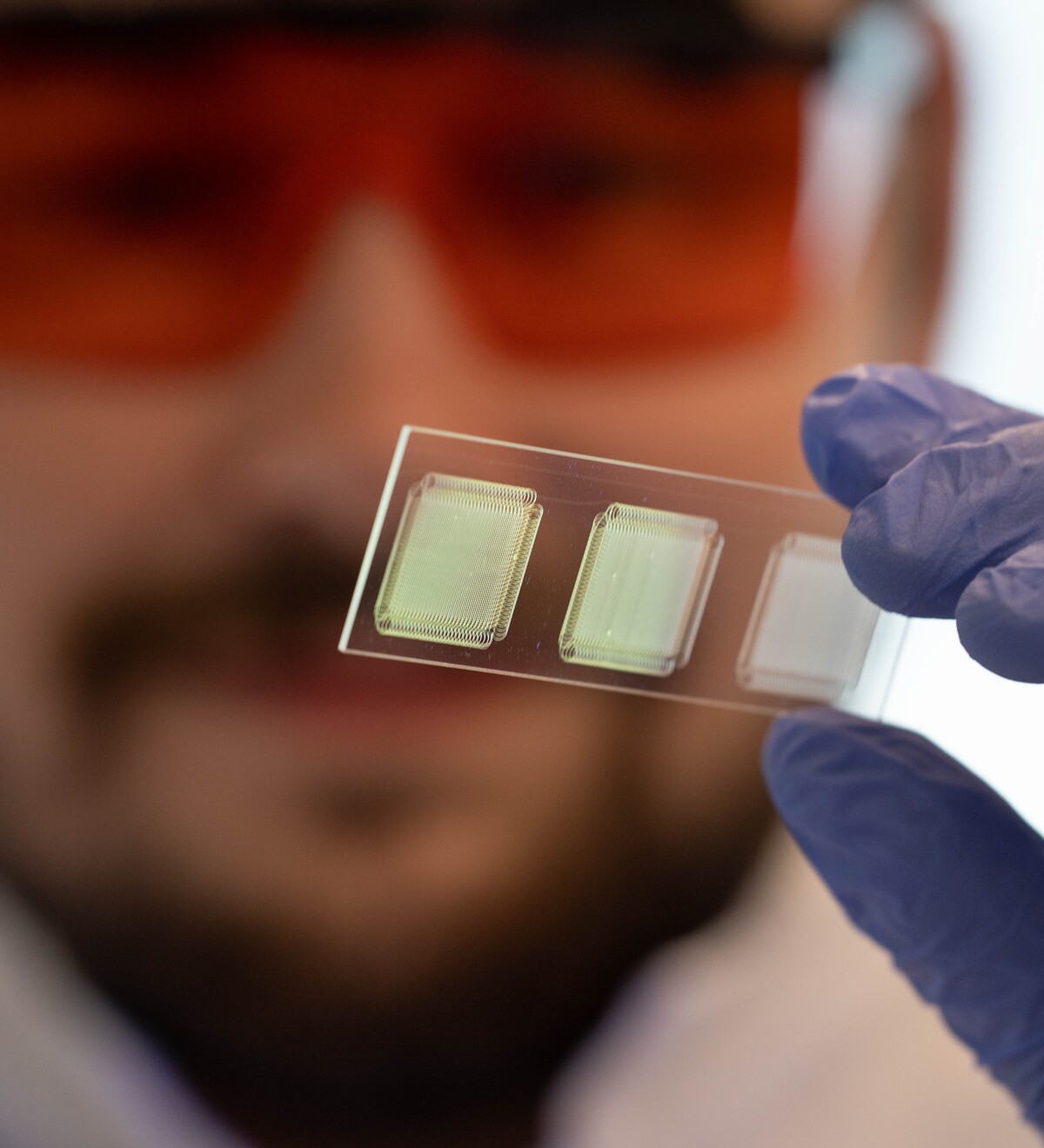
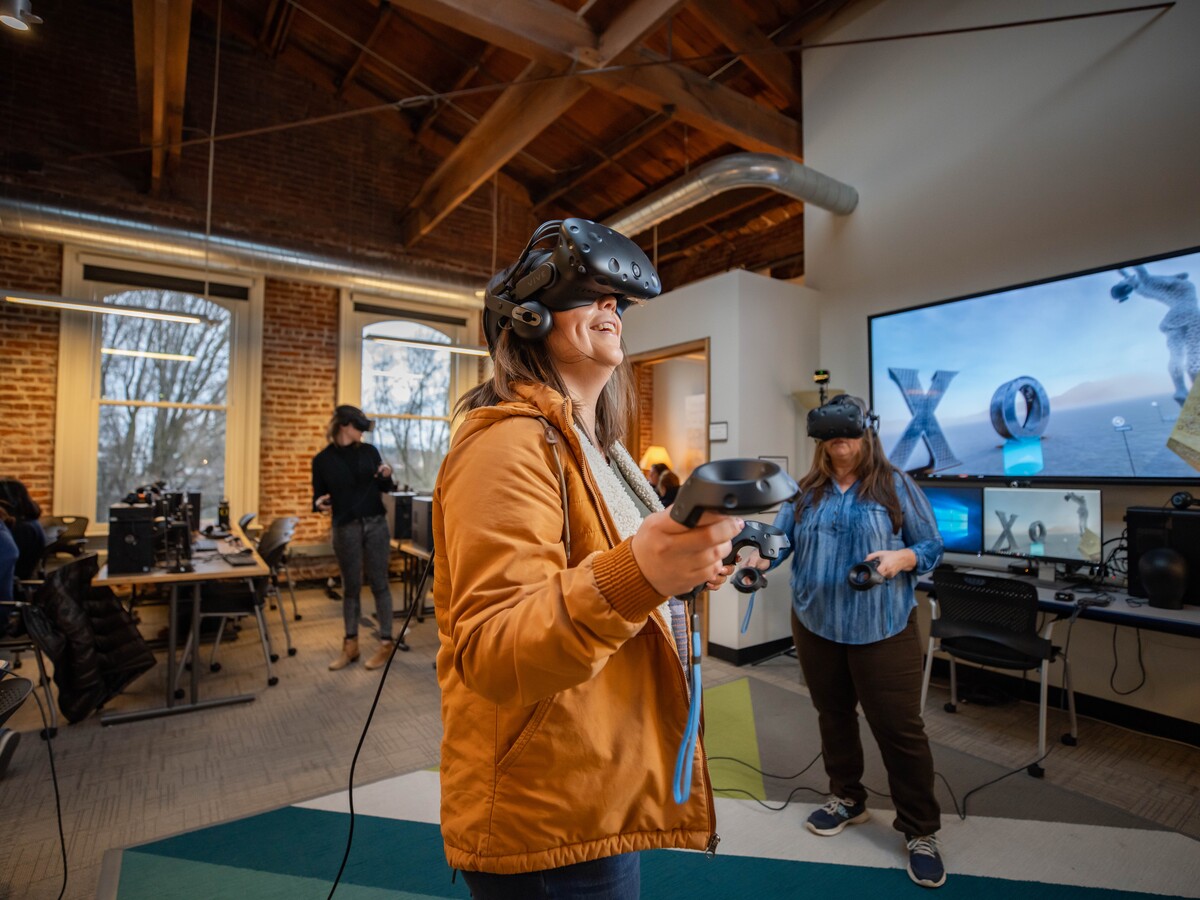
Translational and applied research requires seamless innovation support for maximum impact.
From discovery to development to deployment, the UO's Industry, Innovation, and Translation (IIT) team supports research-based startups every step of the way.
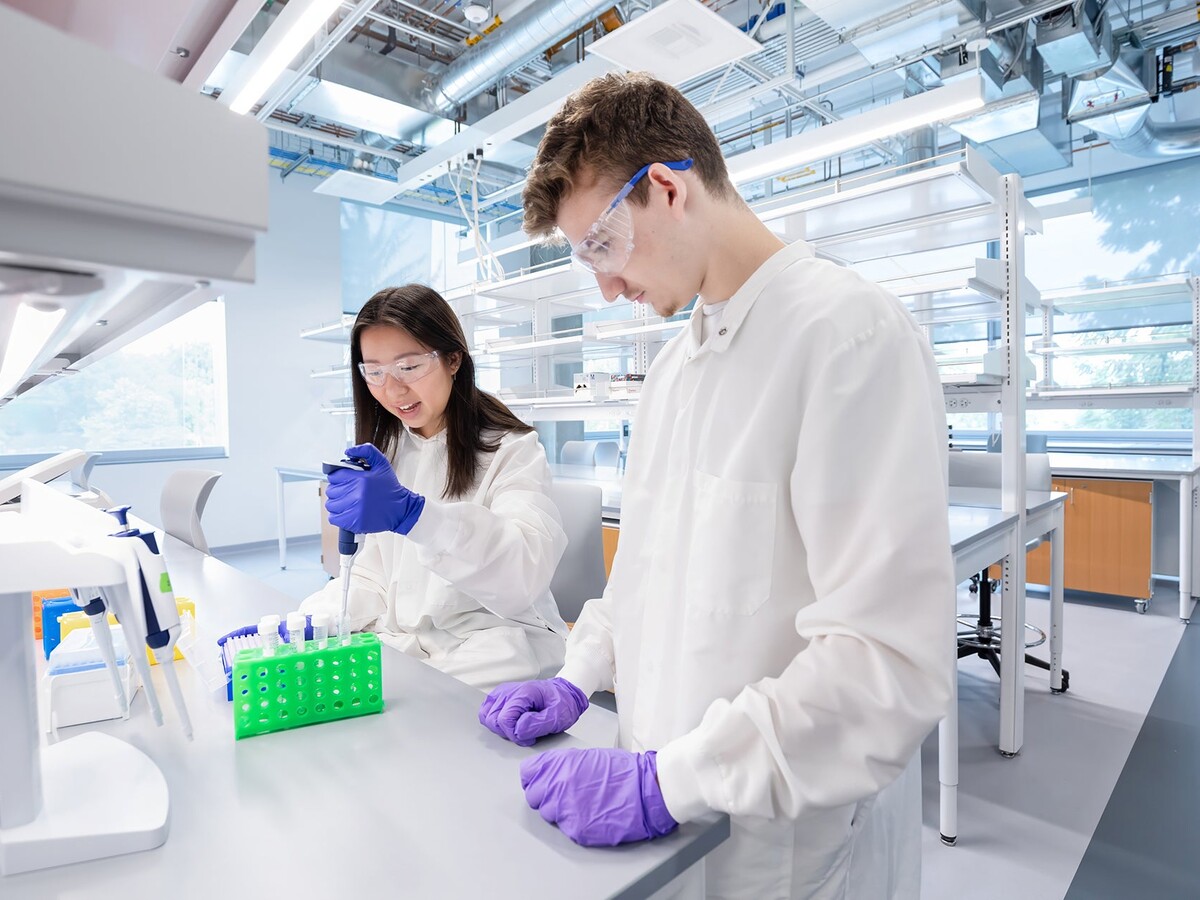
To pressure-test prototypes, entrepreneurial researchers lease labs and workspace at the Papé Family Innovation Center, an incubator for up-and-coming ideas.
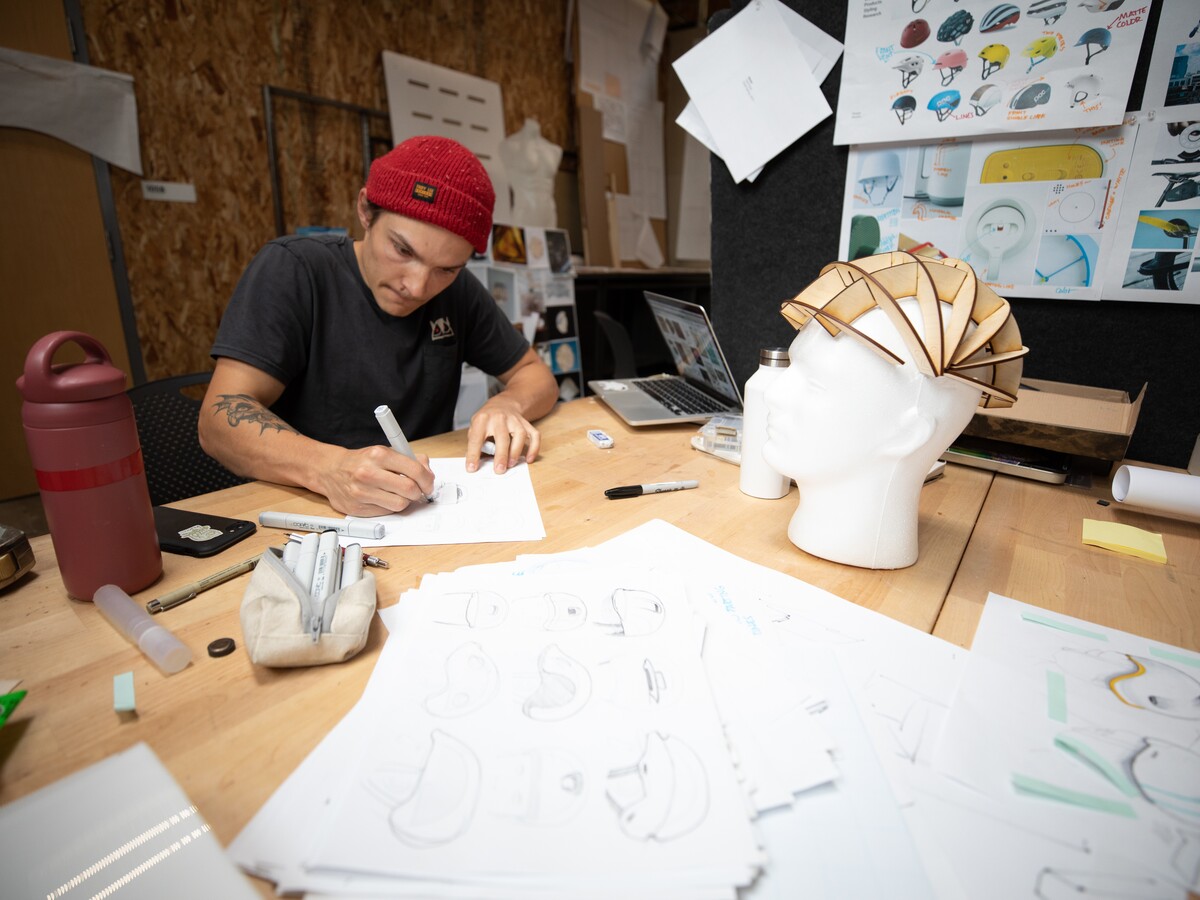
The UO's Launch Oregon initiative partners with IIT's Translational Opportunity Program to connect startups to capital, leadership, talent, and other critical resources.
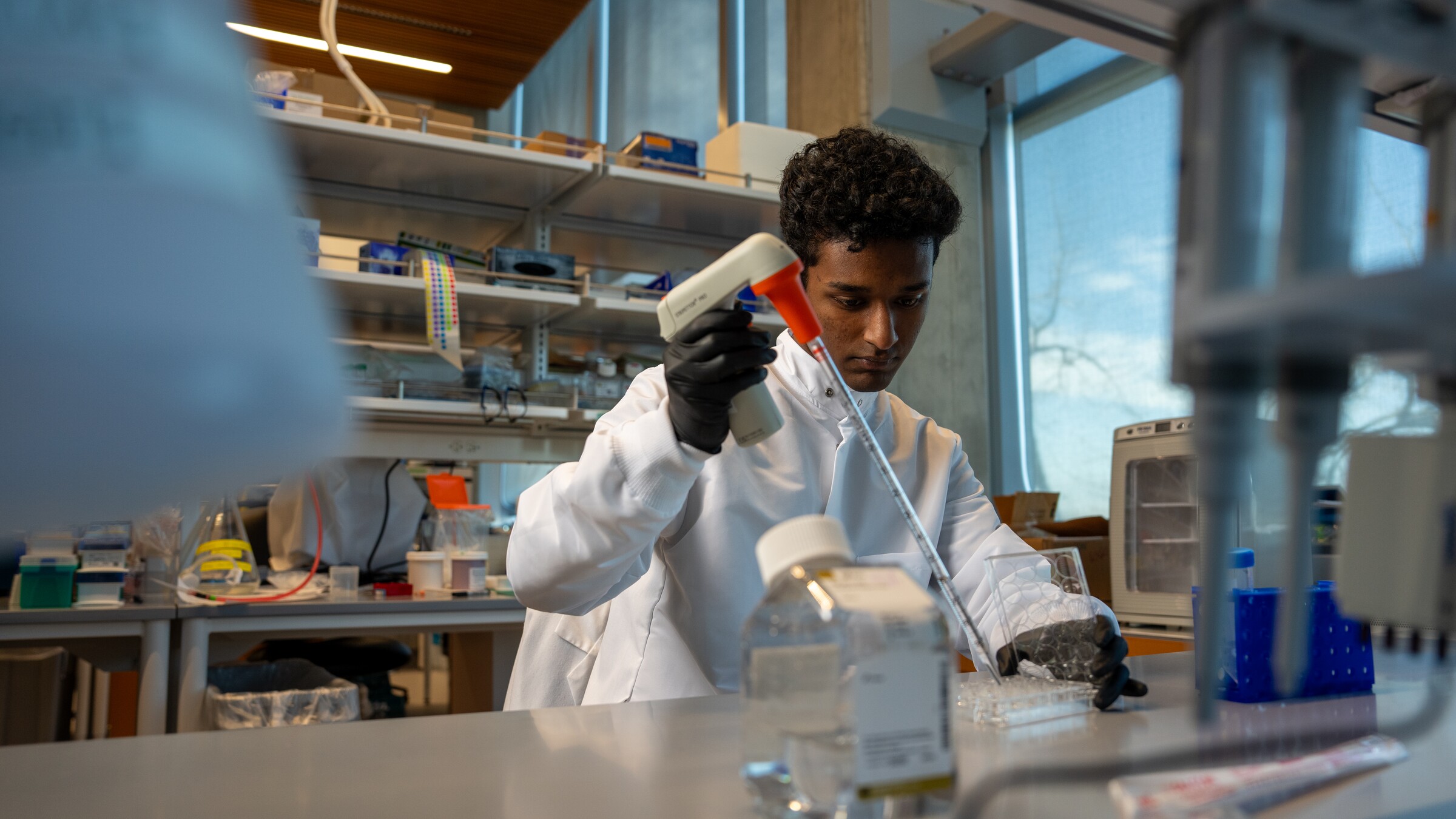
Oregon is iconic, yet unconventional. We're also fast. That lightning spirit infuses our support of early-stage researchers and propels discovery from concept to market.

Bioengineer Keat Ghee Ong benefited from a seamless innovation support ecosystem that empowered his team to transform a prototype sensor into a start-up that's poised to improve medical care. "The Innovation team's willingness to jump in and help guide early-stage ideas makes the UO quite unique."
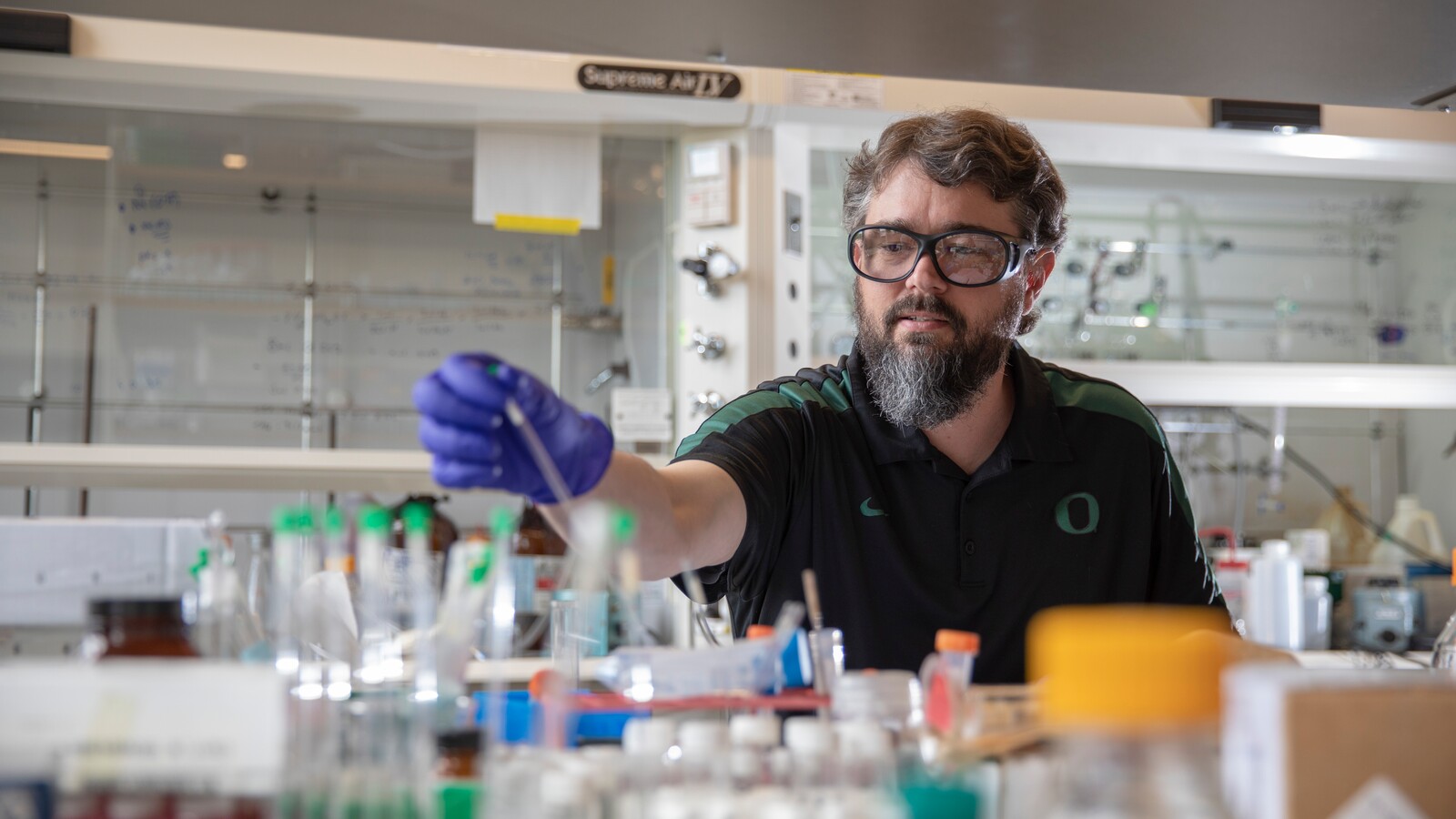
"Forever chemicals," also known as PFAS, have been used for decades to waterproof clothing, contributing to massive environmental degradation at the same time. A UO-based startup company, AlChemy Coatings, co-founded by chemist Darren Johnson, is pioneering a human-safe, alternative method using aluminum, one of Earth's most abundant minerals.

Beth Stormshak, director of the Prevention Science Institute, is the founder of Northwest Prevention Science, the company behind the Family Check-Up. This app is helping rural families struggling with mental health or addiction improve their relationships, drop clinical depression levels, and increase school attendance by 50%.
An agile hub for scaling bold ideas into solutions, the UO's Knight Campus reduces barriers and streamlines the innovation cycle, creating a resistance-free runway for translating scientific discoveries into transformative societal impact.
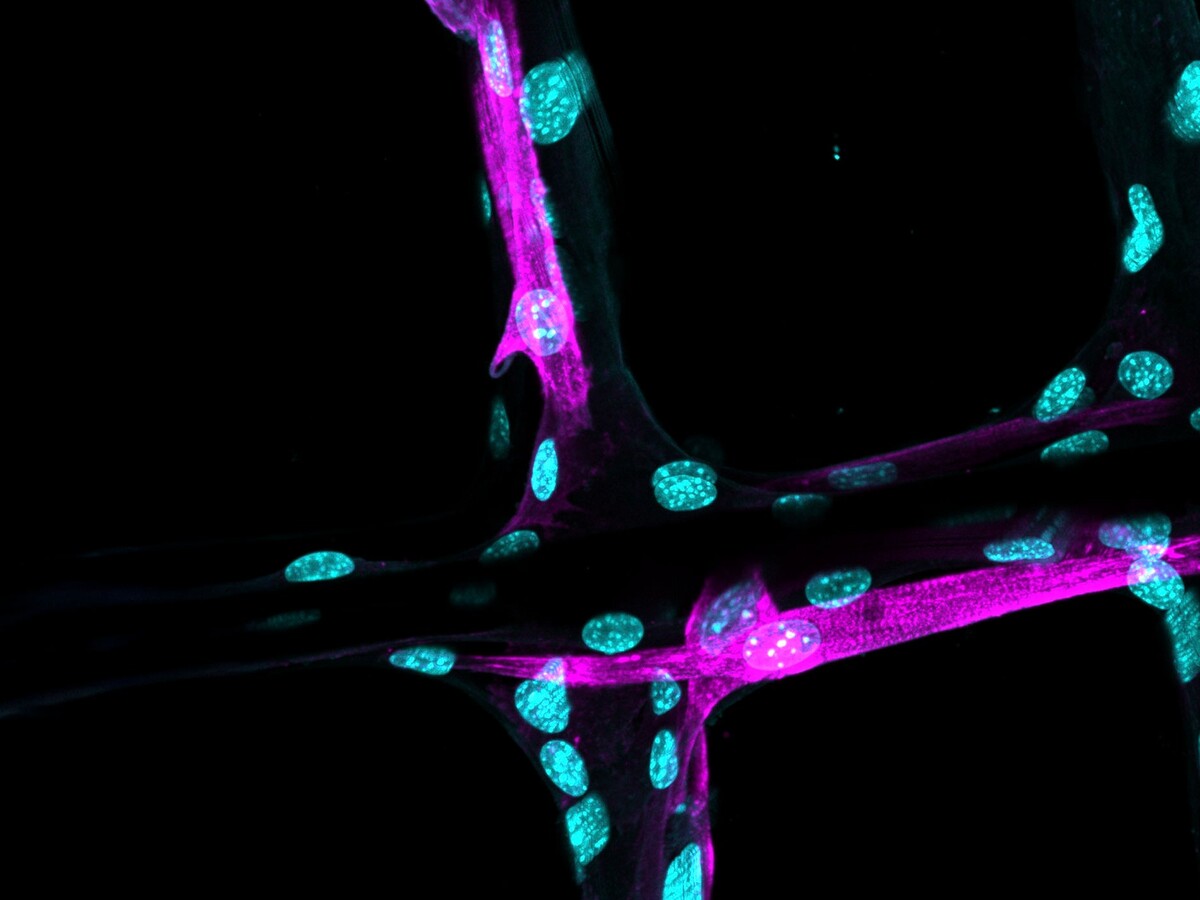
Severely injured muscles don't always heal on their own. Scientists are using 3D printing technology to create microscopic scaffolds that guide muscle cells to regenerate new tissue.
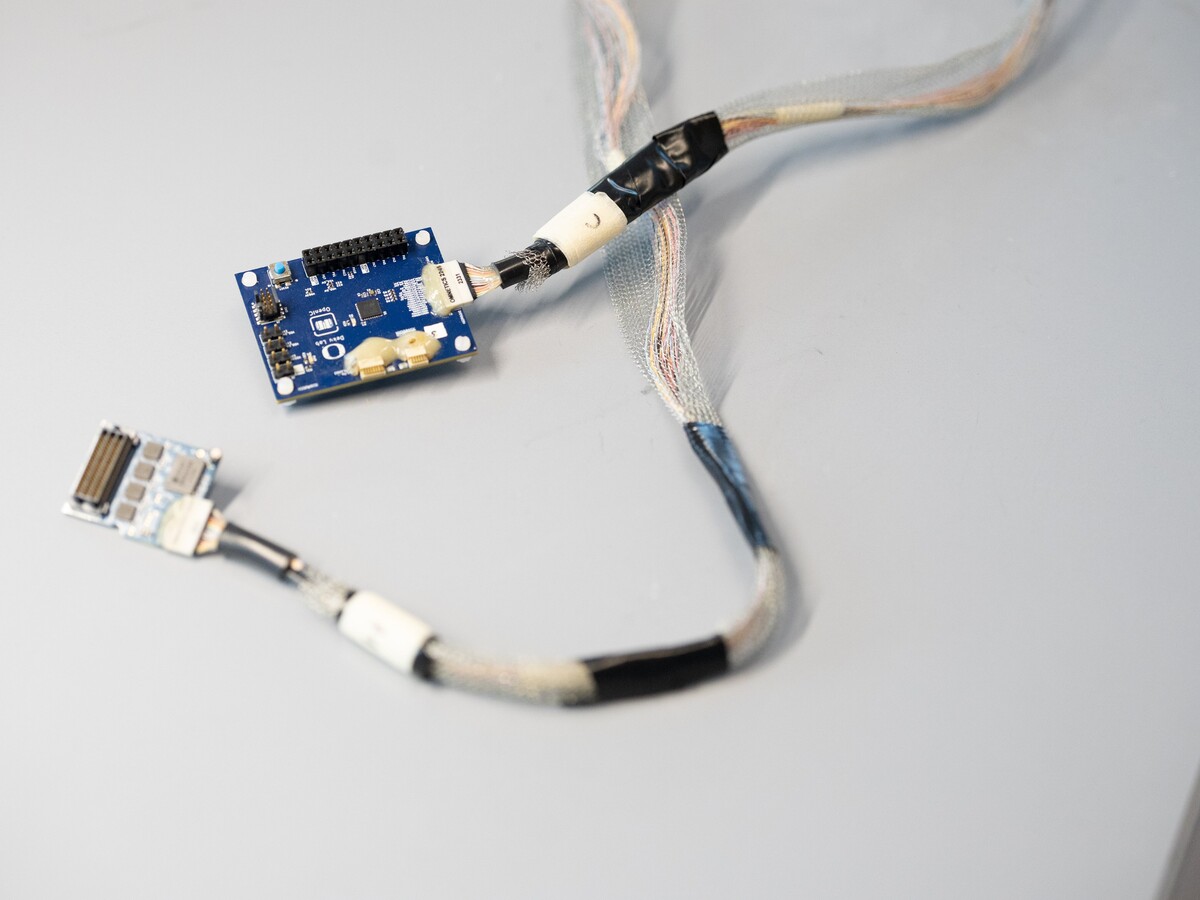
A neural interface that can record the electric activity of hundreds of neurons simultaneously could eventually unlock insights into neurodegenerative diseases such as Alzheimer's.
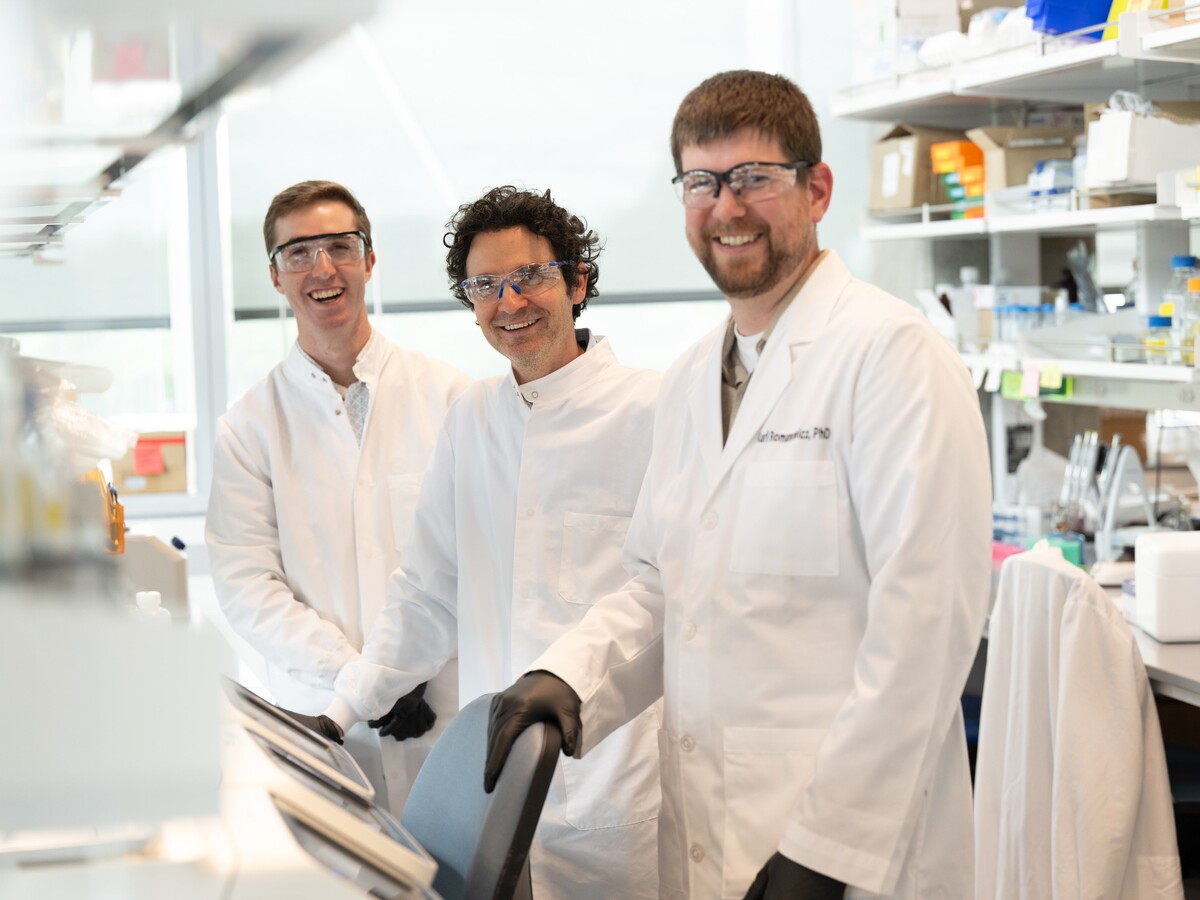
Large biological datasets are essential for using machine learning. New initiatives from UO labs are empowering research teams to tackle health challenges, from cancer to superbugs.

Using CRISPR gene editing technology, a UO lab has developed a new gene therapy for a genetic eye disease that could serve as an alternative to risky corneal transplant surgeries.
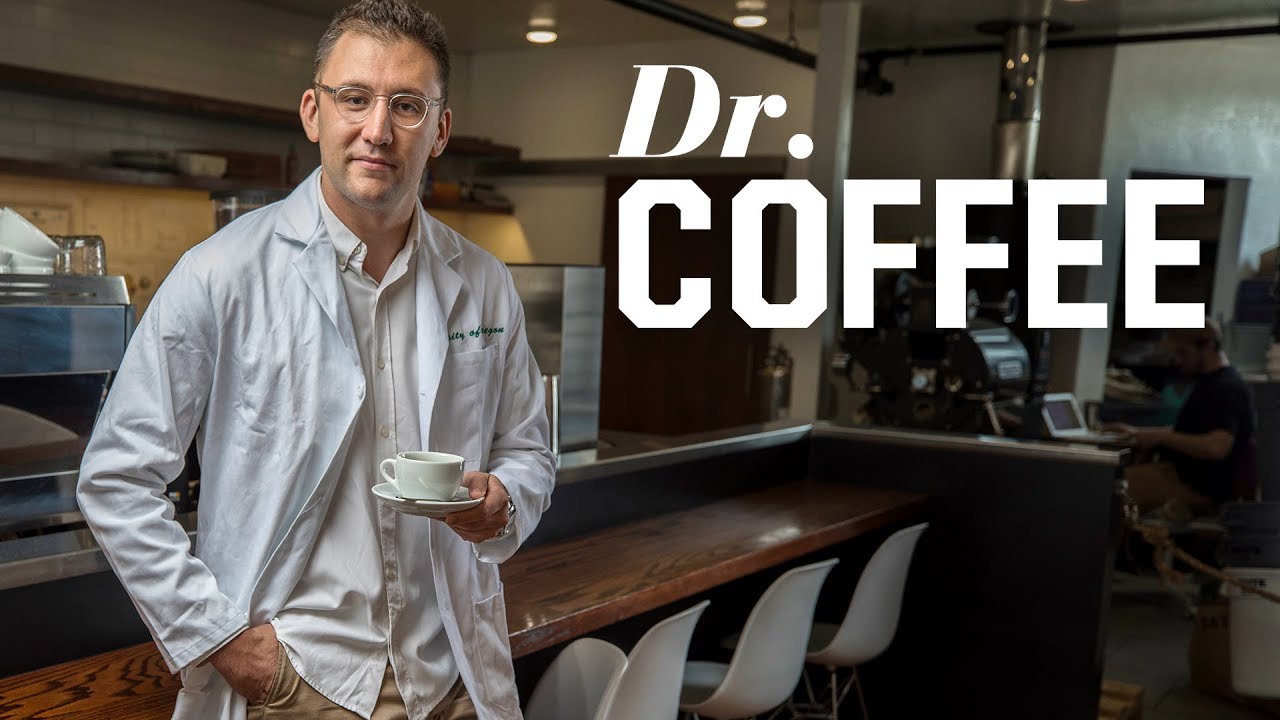
Christopher Hendon is known as "Dr. Coffee" for his scientific approach to the perfect brew. But the moniker downplays the scope of Hendon's work as a computational chemist. His lab harnesses the power of supercomputers to develop innovative solutions to sustainability challenges—from better batteries for solar energy storage to carbon sequestration.
In the News
Faster and more efficient computing, responsive health care, supports for children at school—all enabled by UO innovations that translate good ideas into needed products and services.

Quantum Computing
Researchers in the lab of physicist Hailin Wang are developing new ways to connect quantum computers using tiny vibrations inside diamond-based devices. This work could help future quantum computers solve complex problems much faster than today's most advanced computers.
Optimizing Supercomputing
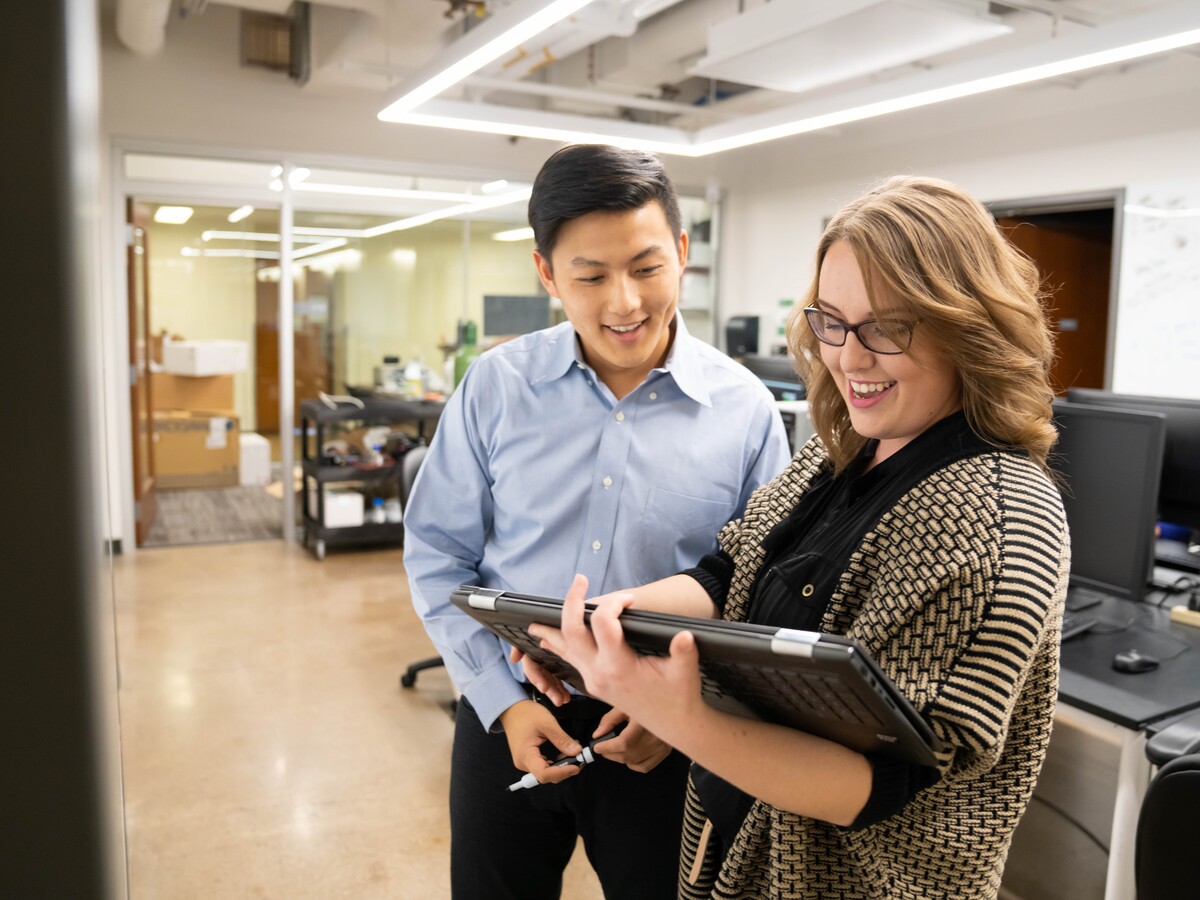
The suite of tools developed by UO startup company ParaTools, Inc., improves supercomputing efficiency, modernizes legacy code, and tests and deploys products for the open-source Extreme-scale Scientific Software Stack (E4S), created in partnership with the U.S. Department of Energy.

Next Gen Tech for Mental Health
Easy-to-use apps like Vira, developed at the UO, make ongoing and objective patient assessment easy and accessible to researchers, behavioral health leaders, practitioners, and health systems.

Reinvesting in Education
UO's Center on Positive Behavioral Interventions and Supports (PBIS) is an evidence-based, tiered framework for supporting students' behavioral, academic, social, emotional, and mental health—and it's used in one in four American schools. PBIS-developed programs generate millions in licensing revenue annually, which is reinvested back into further developing these tools.